The dimensions
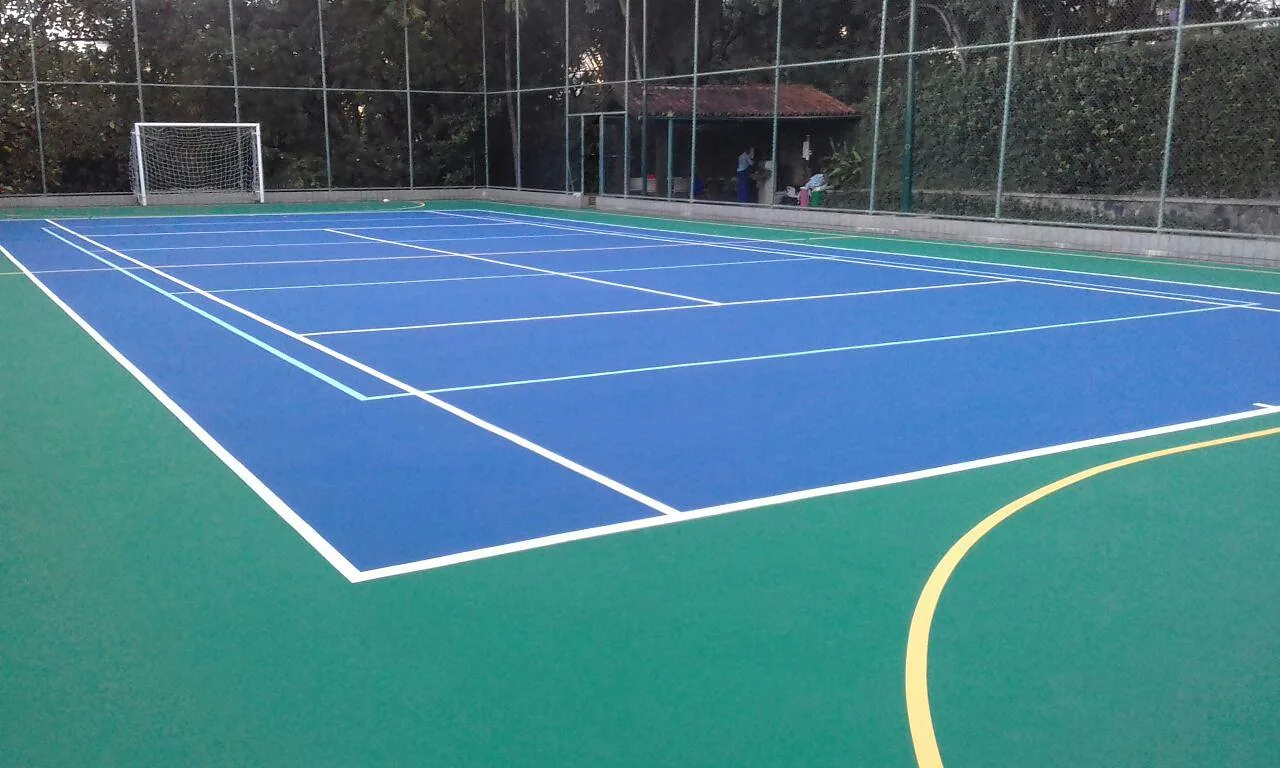
A pickleball court measures 44 × 20 ft (13.4 × 6.1 m), with a 7 ft non-volley zone, the kitchen, on each side of the net. The net is 36 in high at the sidelines and 34 in at the center. Each court also needs run-off space around it; a commonly recommended area is about 30 × 60 ft per court.
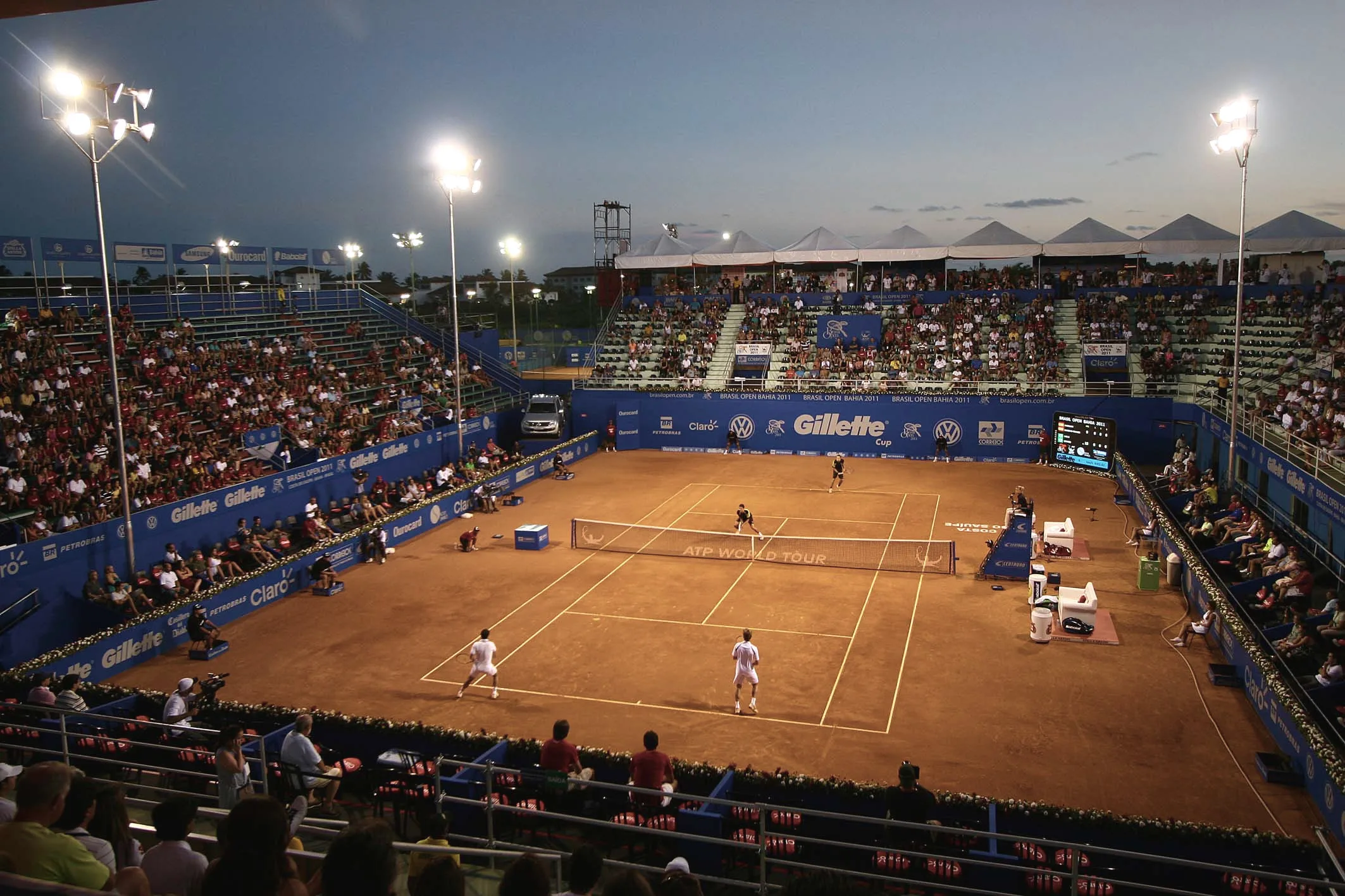
A tennis court is 78 × 36 ft inside a recommended playing area of about 120 × 60 ft. That area is what decides how many pickleball courts fit.
Option two: dedicated conversion
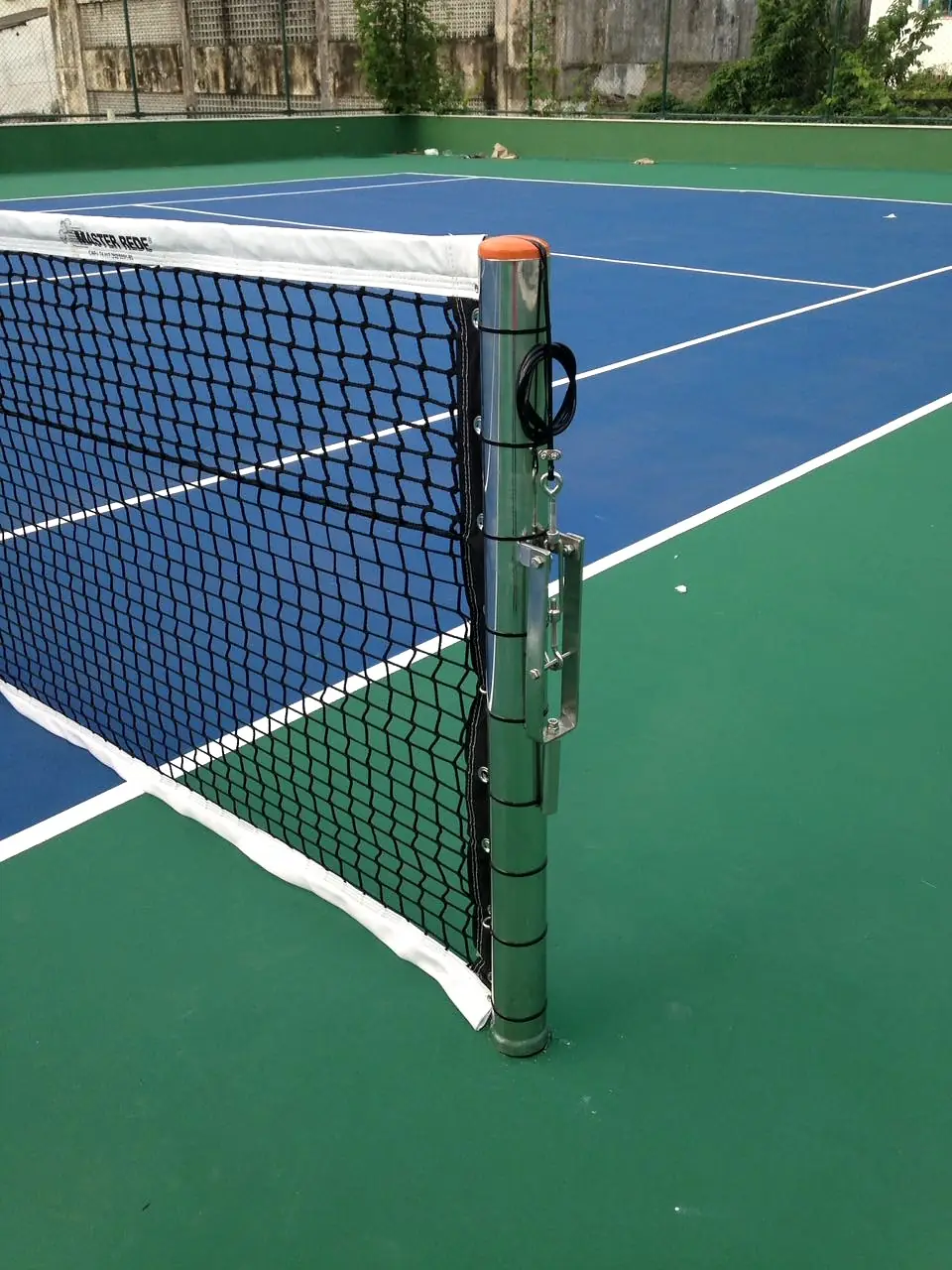
The tennis net and posts are removed, and the court becomes pickleball only, with permanent posts and nets.
- Two to four courts when the existing fenced area allows.
- Permanent nets and cleaner lines, with no tennis markings.
- Divider netting between courts keeps balls in play.
- Tennis is lost on that court, so check demand with residents or members first.
Key figures
- Pickleball court
- 44 × 20 ft (13.4 × 6.1 m)
- Non-volley zone
- 7 ft on each side of the net
- Net height
- 36 in at sidelines, 34 in at center
- Courts per tennis footprint
- Two, or up to four when the existing fenced area allows
- Lines only, existing court
- About $1,500 to $6,000, typical US range
- With nets, posts or fencing
- Higher, depending on the specification
Typical US industry ranges, not Arenas prices.
What the work involves
A conversion is a good moment to fix the court underneath. Lines painted over cracks or faded coating will not last.
Line marking is precise work. Each line is measured from fixed reference points, taped, and painted with a textured acrylic line paint so it does not become slick. Kitchen lines in particular must be exact, because players and referees judge foot faults against them.
- Assessment of cracks, ponding and coating condition.
- Crack repair and ponding correction where needed.
- Resurfacing or color coats if the coating is worn.
- Layout and line marking to the official dimensions.
- Posts, nets, divider netting or windscreens as specified.
Noise and neighbors
Pickleball is louder than tennis: the hard paddle and ball make a sharp sound that carries. In communities with homes near the courts, consider distance to the nearest residence, playing hours, and whether acoustic screening on the fence is worth the cost. Raising these points at the planning stage avoids disputes after the courts open.
Approvals before work starts
HOA and condominium boards often need a vote or architectural approval for changes to amenities, and some local governments regulate fencing heights and lighting. Confirm what your association documents and local rules require before scheduling the work.
Layouts that fit a tennis footprint
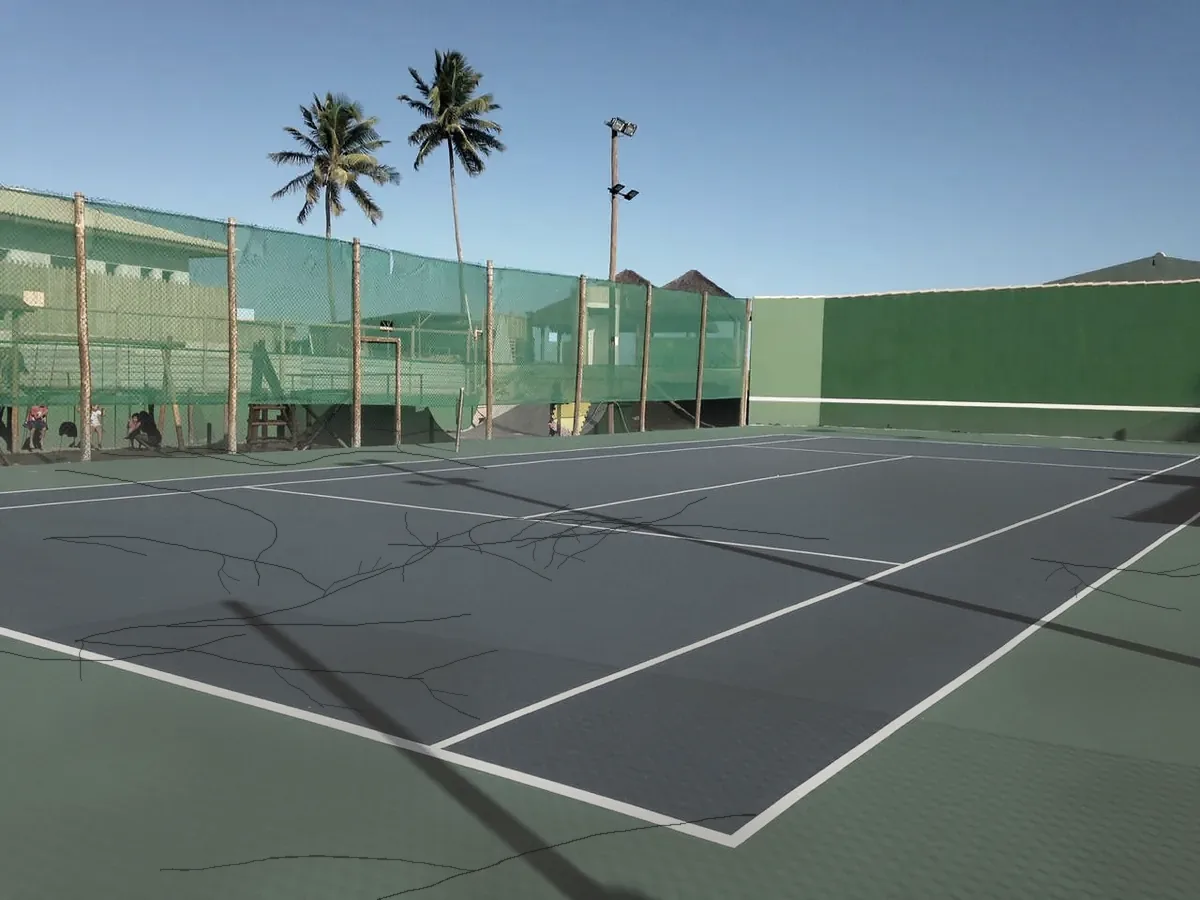
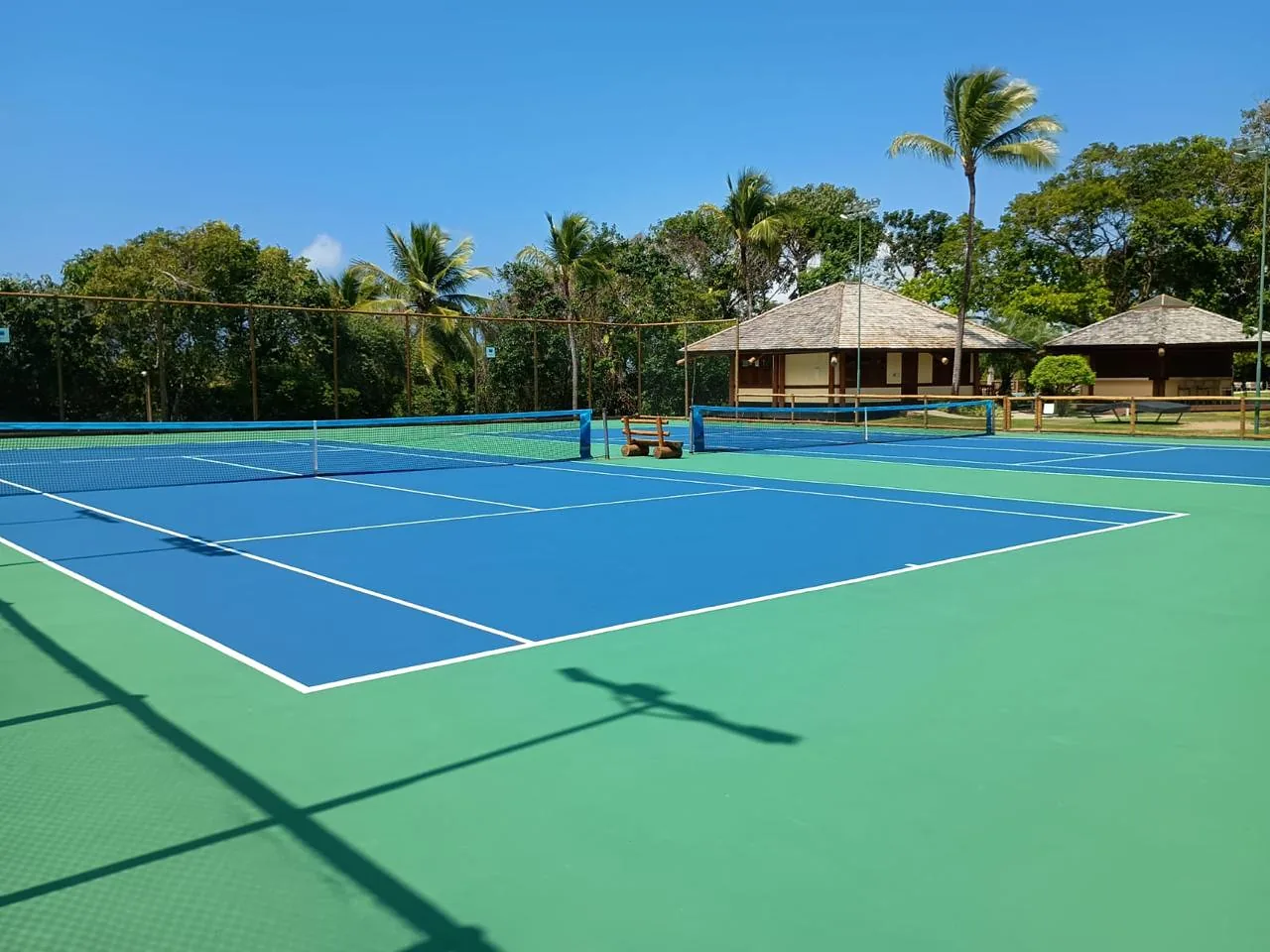
On a standard fenced area of about 120 × 60 ft, the simplest layout places one pickleball court across each half of the tennis court, running from sideline fence to sideline fence. This keeps generous run-off and works with portable nets on a shared court.
Fitting three or four courts means lining them up across the full length of the area once the tennis net is gone, with less space between them and usually divider netting. Whether that works depends on the exact fence lines, gate positions, light poles and the clearance your players need. A measured layout drawing, made before any paint goes down, shows the options and avoids lines that must be ground off later.
Lighting, fencing and court furniture
Lights placed for one tennis court do not always light two to four pickleball courts evenly, especially at the corners of a dedicated layout. Check light levels across every new court before evening play is allowed.
- Gates: each court should be reachable without crossing another court in play.
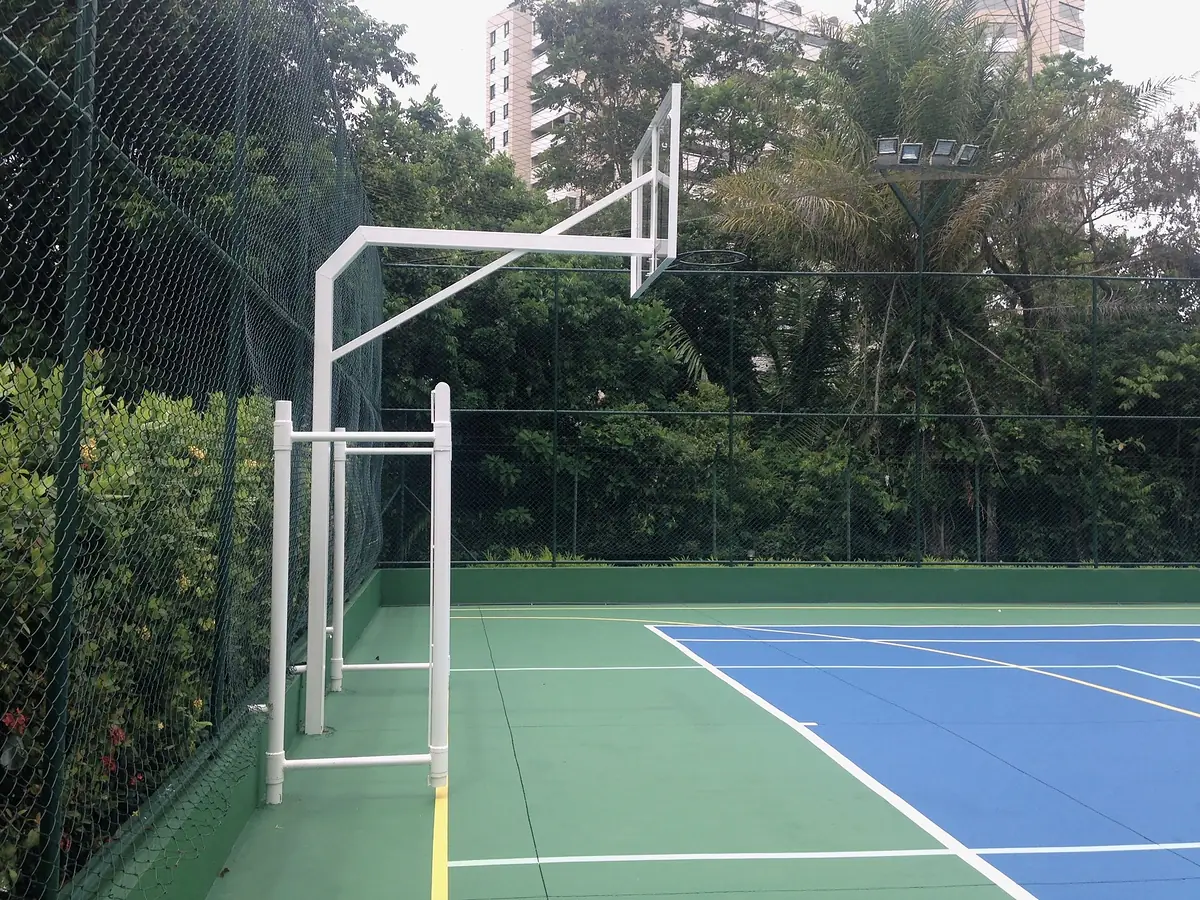
- Fence height: low sections let balls escape toward homes, cars and walkways.
- Benches and paddle racks: place them outside the run-off area, not against the baseline.
- Windscreens: they cut wind and glare and can carry acoustic panels where noise matters.
Florida considerations
Pickleball courts in Florida face the same sun, heat and storms as tennis courts, and they are often played harder, with more players per square foot. Light court colors keep the surface cooler. Good drainage matters more, because a small birdbath inside a 44 × 20 ft court affects a larger share of the playing area. Shade structures and water stations near the courts are worth planning at the same time.
Ranges are typical industry figures for planning, not a quote. Your court's scope and price come from the on-site assessment.