
Service · All surfaces
Court maintenance plans
A court lasts longest when someone looks at it on a schedule. A maintenance plan puts inspection, cleaning and small repairs on the calendar, so a crack is fixed while it is small and the next resurfacing comes later.
- Surfaces
- Hard court, clay, turf, hardwood
- Hard court cleaning
- Every two to three months
- Report
- Written, with photos, after each visit
- First step
- Free on-site assessment of the court today
What a maintenance plan is
A plan is a schedule of visits agreed in writing. At each visit we inspect, clean and fix what is small, and we report what we found with photos. Larger repairs are quoted separately, so nothing is done without approval.
The plan is set by the surface and by how the court is used. A hard court at a busy HOA needs different care from a clay court at a club with its own grounds crew, or a hardwood gym floor at a school.
Signs you need one
Most courts are maintained only when someone complains. Signs the court would benefit from a plan:
- Nobody on the board or staff owns the court’s condition
- Repairs happen after complaints, not before
- Leaves, mildew and algae build up between cleanings
- Cracks are noticed only when they are already wide
- Nets, posts and windscreens are replaced only when they fail
What we do
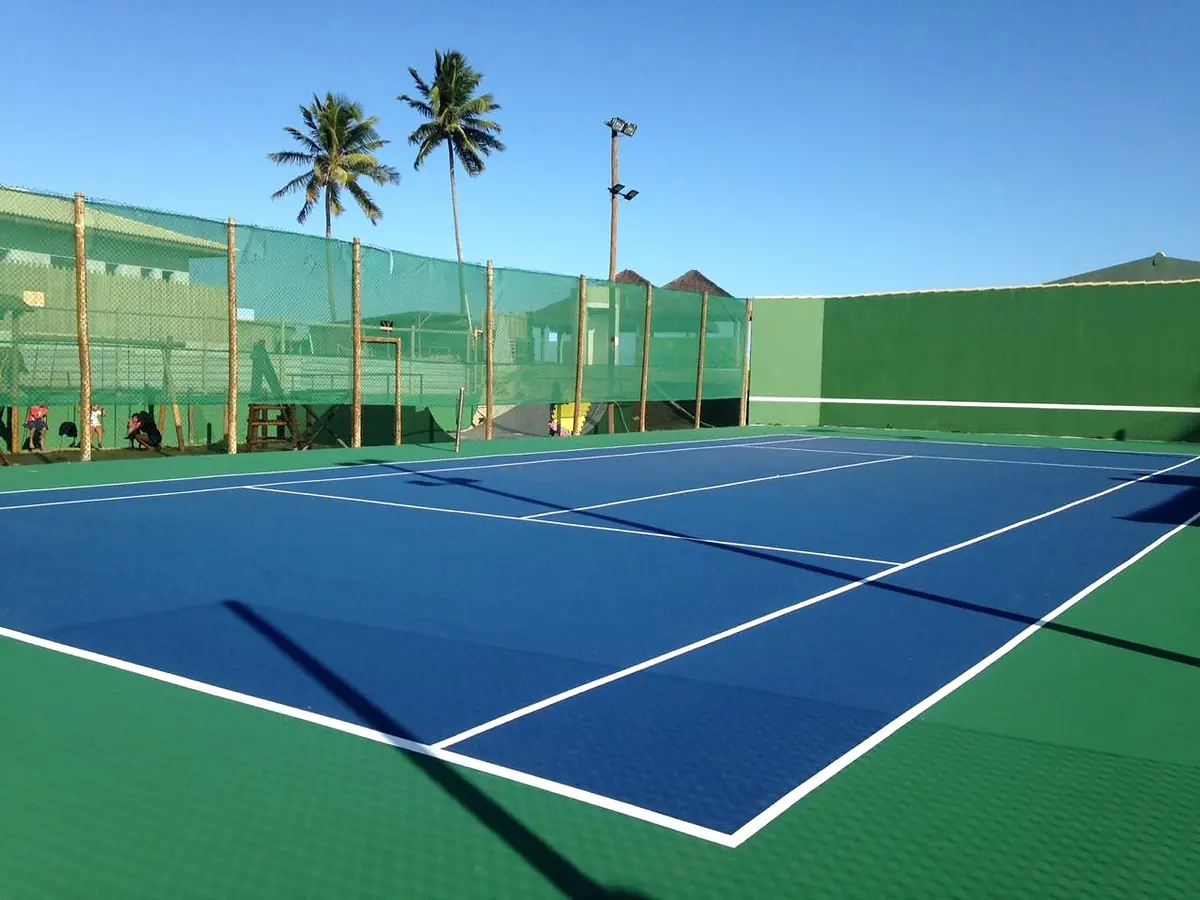
On hard courts: pressure-wash every two to three months, clear drains and fence lines, measure and record cracks, touch up lines, check nets, posts, windscreens and gates. A scheduled inspection catches cracks while they are still small.
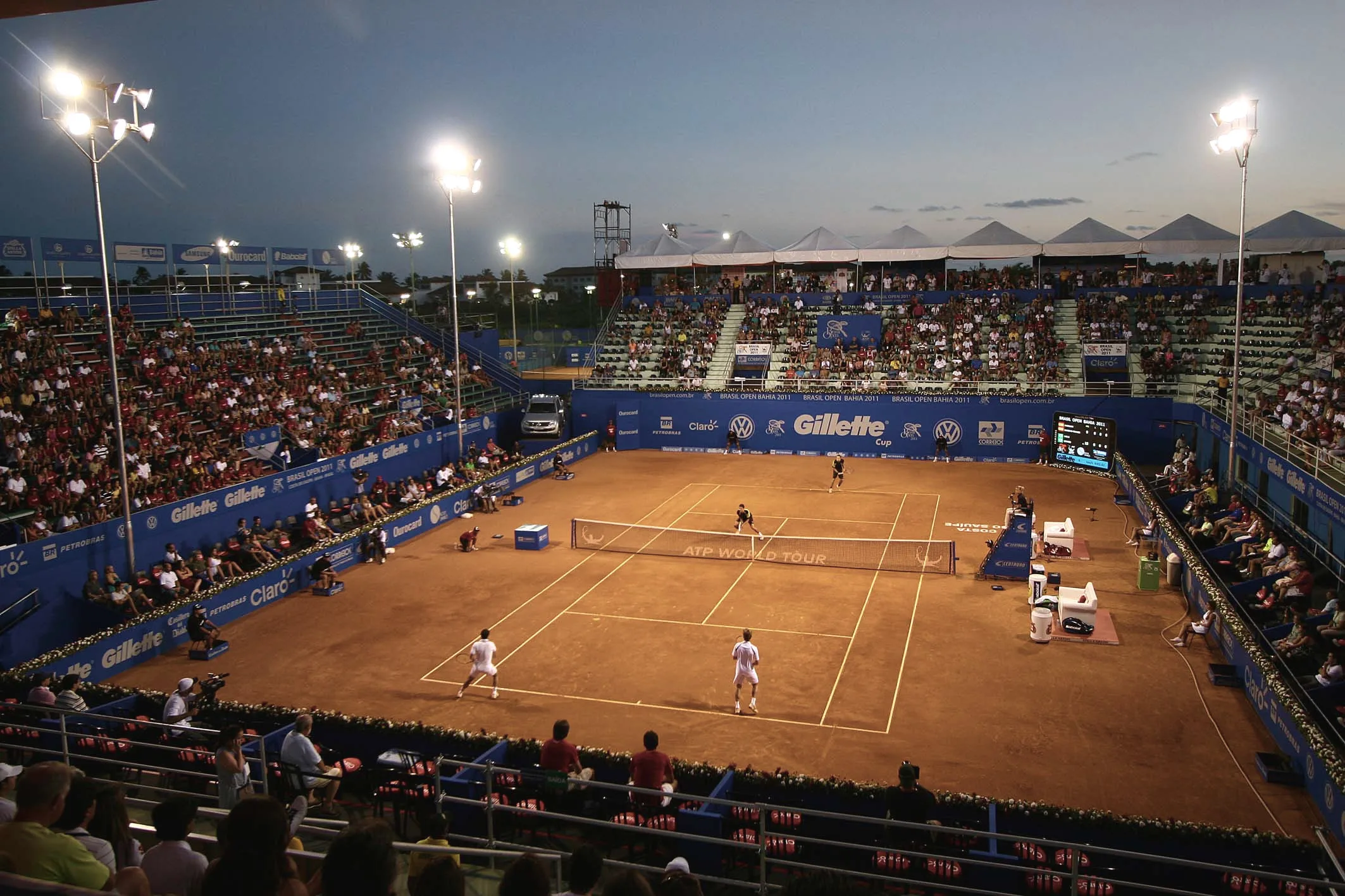
On clay: daily care stays with your staff, watering, rolling and brushing. We plan the periodic work, top-dressing, line checks and leveling, and train the crew who does the daily routine.
On turf and hardwood: brushing and infill checks for synthetic turf; for hardwood, cleaning guidance, finish inspection and periodic screen-and-recoat before the finish wears through.
Why Arenas
We have built courts for resorts in Brazil, for clients such as Tivoli, Iberostar, Vila Galé and Grand Palladium, where a court has to look right every morning. We plan maintenance with that standard. Each visit ends with a written report, so the board sees the court’s condition without walking out to it.
How a plan works
Baseline assessment
A full inspection that records the court’s condition today, with photos and a crack map.
Schedule
Visit frequency set by surface, use and budget, agreed in writing.
Visit
Inspect, clean and make the small repairs the plan covers.
Report
Written notes and photos after each visit, with anything that needs a decision.
Plan ahead
A yearly view of what is coming, so resurfacing is budgeted, not a surprise.
Specifications
Care by surface
- Hard court
- Wash every 2 to 3 months; resurface every 4 to 8 years
- Clay
- Daily water, roll and brush by staff; periodic top-dressing
- Synthetic turf
- Brushing, infill top-up, seam and edge checks
- Natural turf
- Irrigation, mowing and reseeding
- Hardwood
- Cleaning, finish inspection, periodic screen-and-recoat
- Equipment
- Nets, posts, windscreens, gates and fence checked each visit
Gallery
Questions
How often should a hard court be cleaned?
Every two to three months in Florida, more often under trees or in shade. Dirt, leaves and mildew hold moisture against the acrylic and shorten its life.
Does a plan replace resurfacing?
No. It delays it. Every acrylic court will need resurfacing. A plan helps the surface reach the long end of its 4 to 8 year cycle and lets you budget for it.
Can you train our staff to care for a clay court?
Yes. Clay needs daily watering, rolling and brushing, which is best done by people on site. We show your crew the routine and handle the periodic work.
Are repairs included in the plan?
Small repairs listed in the plan are included. Larger work, such as crack repair across the court or resurfacing, is quoted separately and done only with your approval.
Related
 01
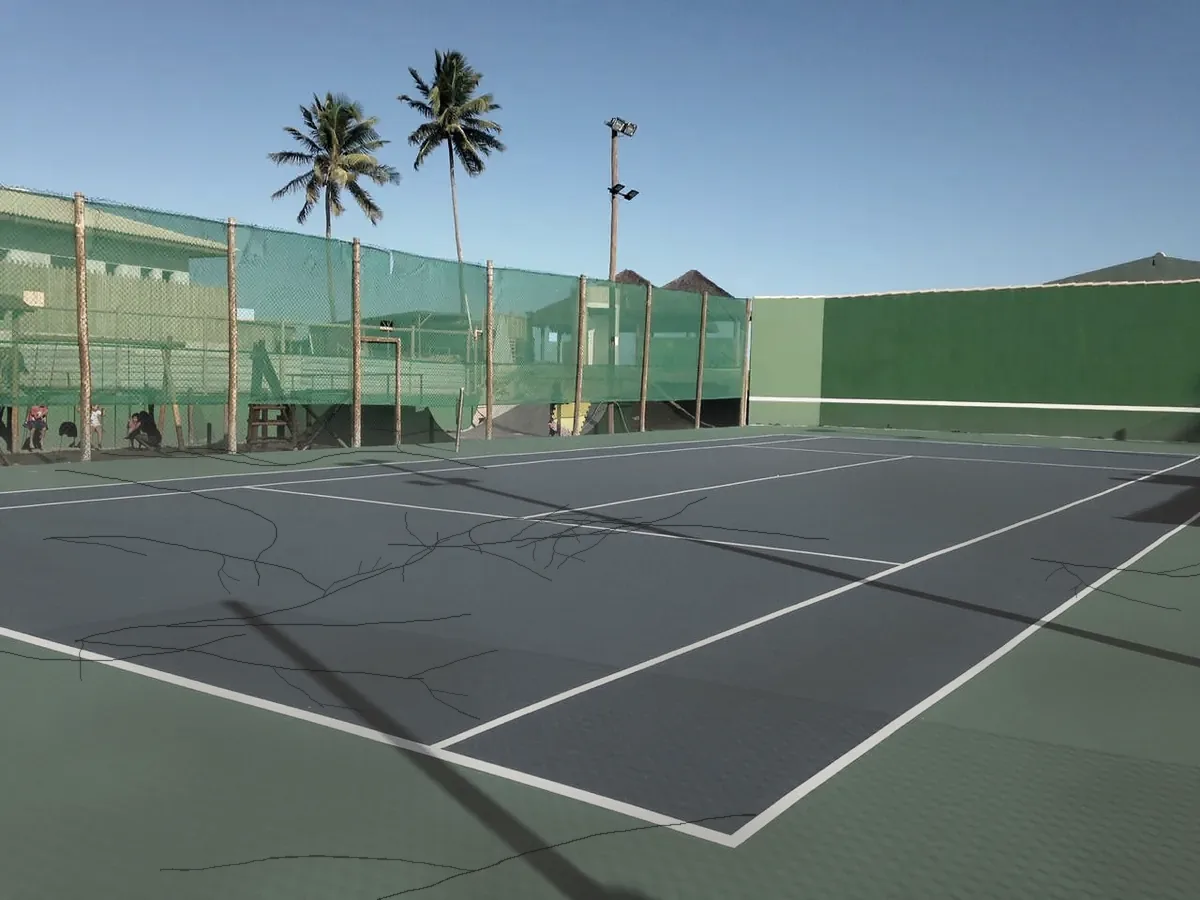
Crack and ponding repair
Fill and bridge cracks, level low spots that hold water, then recoat the repaired areas.
Learn more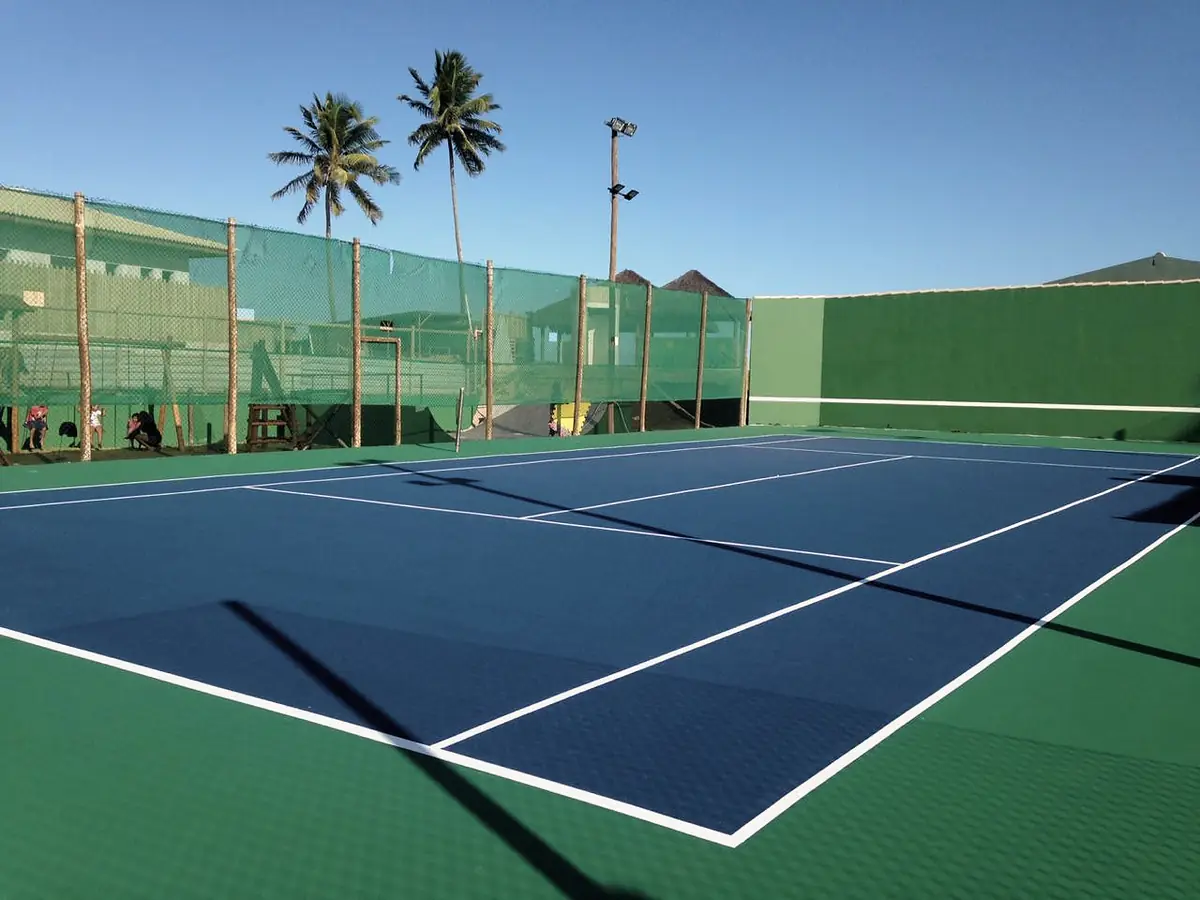 02
Court resurfacing
Clean, repair, recoat and reline a worn hard court so it plays true and drains again.
Learn more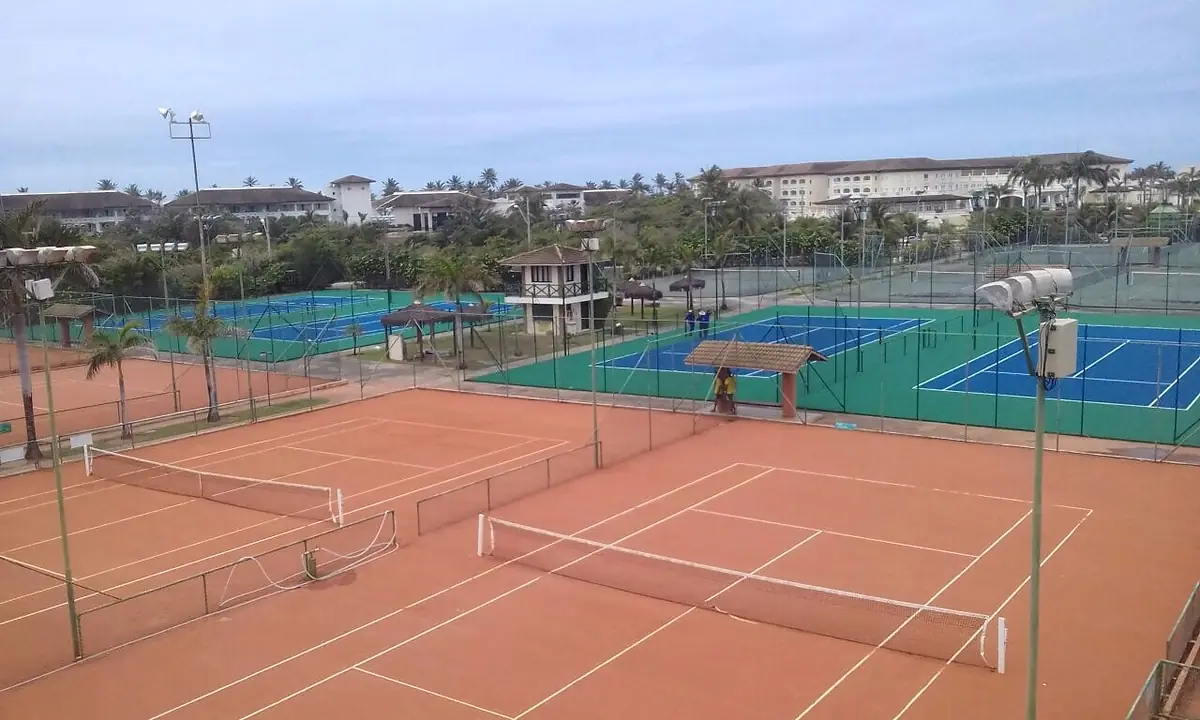 03
Clay court
The soft court. Easier on the body, and the surface that asks most of your attention.
Learn more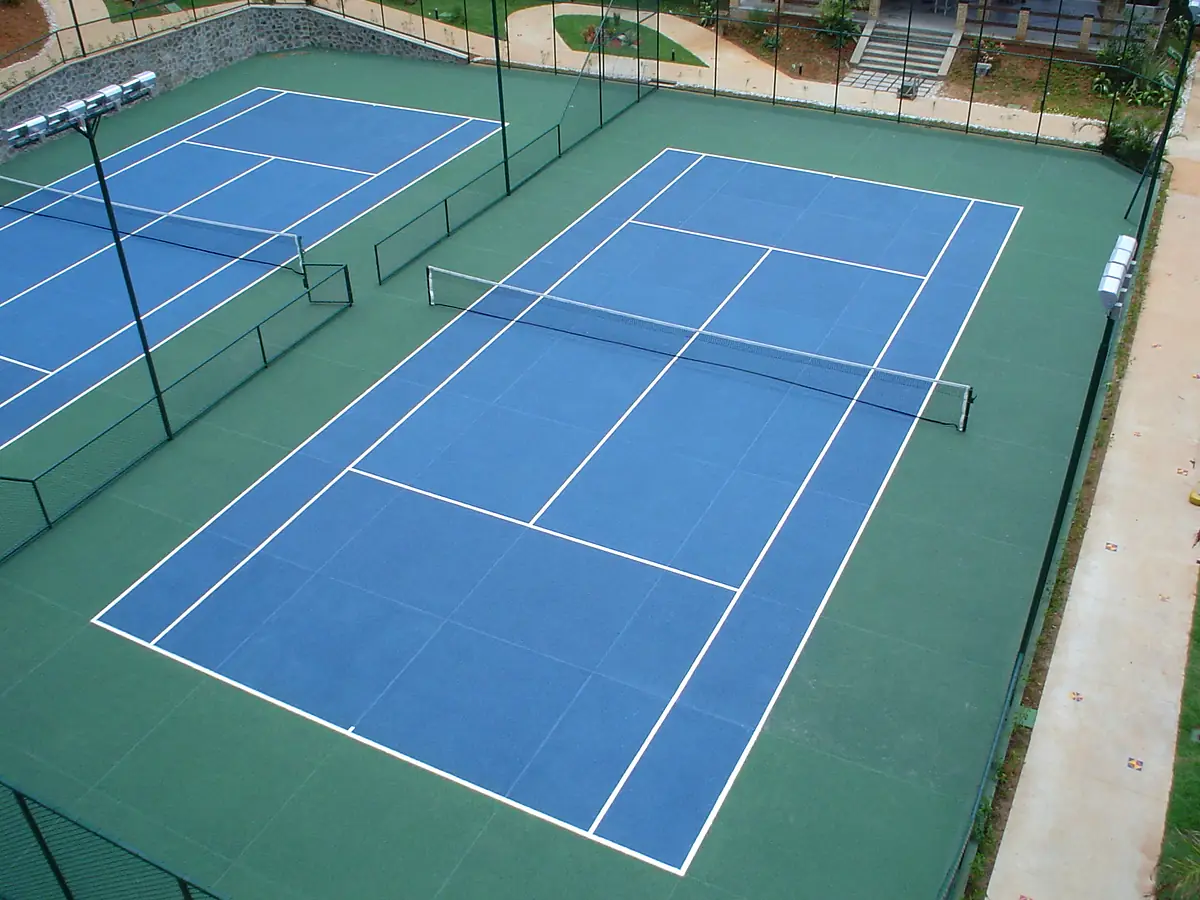 04
How often to resurface
Typical resurfacing cycles, the warning signs, and what shortens the cycle in Florida.
Learn more
Your court, back in play.
Tell us about the court and what is wrong with it. We assess it on site, free of charge, and send a written scope and estimate.