
Sports · Beach tennis
Beach tennis court care guide
A beach tennis court is only as good as its sand. Depth, cleanliness and drainage decide whether players can move, dive and recover safely. This guide explains how the court is built, how it fails and what routine care involves. Arenas is confirming its beach tennis offer; ask us and we will tell you what we can take on today.
- Court
- 16 × 8 m (about 52.5 × 26.2 ft), singles and doubles
- Net height
- 1.70 m (about 5 ft 7 in)
- Sand depth
- Commonly about 40 cm (16 in)
- Sand
- Washed, rounded, free of silt and shells
A sport we know from Brazil
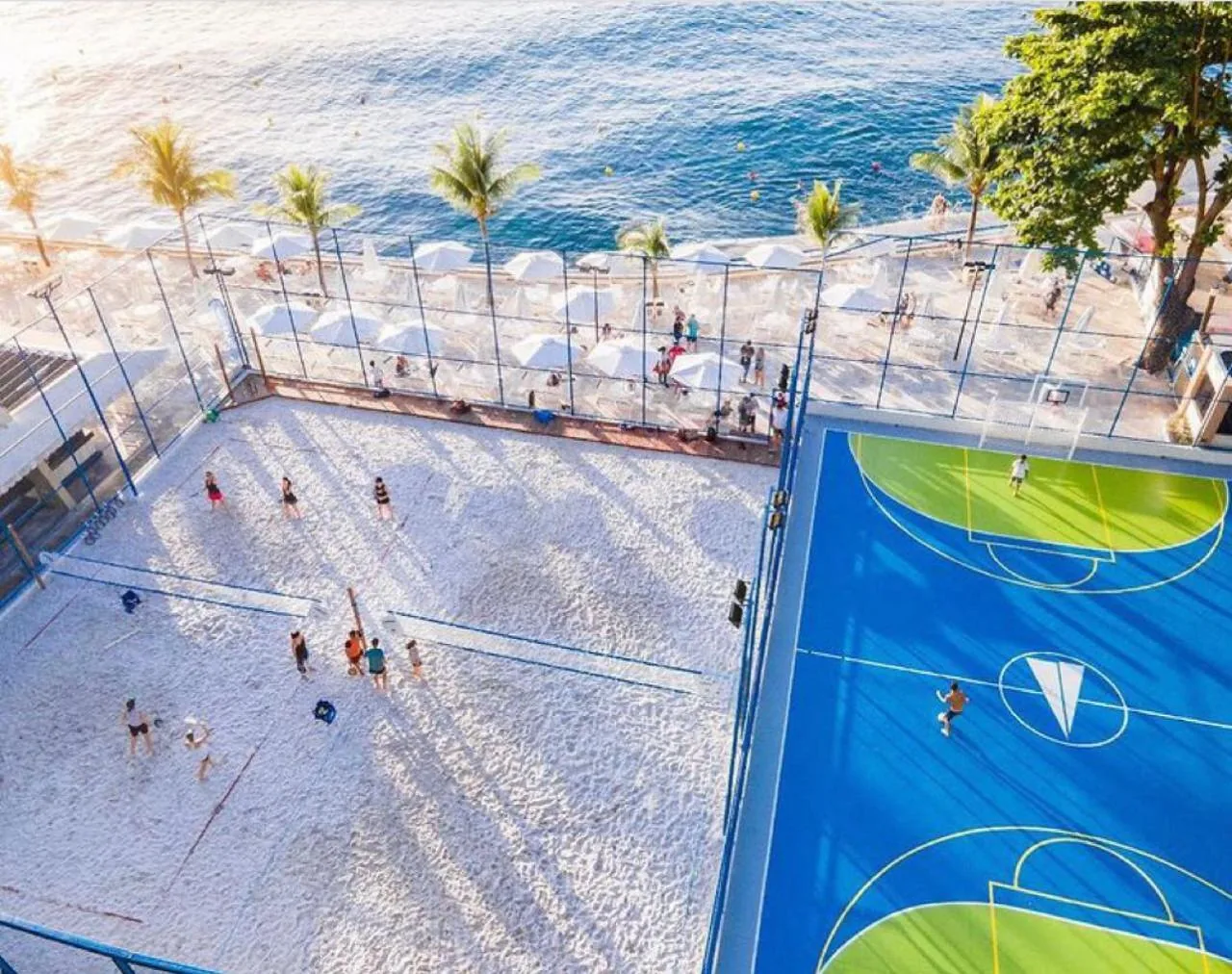
Beach tennis is common in Brazil, where Arenas has built and restored tennis, volleyball and multi-sport courts since 2003. We have not built beach tennis courts. In Florida it is a growing niche, often at clubs, resorts and private properties that already have a sand volleyball court or are adapting one.
The court is 16 × 8 m (about 52.5 × 26.2 ft), the same for singles and doubles, with the net at 1.70 m (about 5 ft 7 in). The game is played without a bounce, so the sand takes the load of every lunge and dive. That makes sand quality a safety matter as well as a playing one.
What good court sand is
Court sand should be washed, with rounded grains, and free of silt, clay, shells and sharp fragments. Rounded grains do not lock together, so the surface stays loose and soft on landing. Fine particles do the opposite: they fill the gaps, hold water and pack the sand hard.
Depth is commonly about 40 cm (16 in) over a drainage layer. Under the sand, a typical system has a geotextile separator over gravel, often with perforated drain pipe, so rain passes through and leaves the court. The geotextile keeps the gravel from mixing into the sand from below.
What goes wrong with sand courts
Sand courts fail slowly. These are the signs to look for at an inspection:
- Depth below spec at the serving lines and around the net, where play digs the sand out
- Hard, compacted areas that do not loosen when raked
- Dust, leaves, roots and organic matter mixed into the top layer
- Gravel or soil showing through, a sign the separator has failed
- Water standing on the court after a storm, or a court that stays wet for days
- Leaning posts, frayed nets and boundary lines that have lifted or shifted
Drainage after Florida storms
A healthy sand court drains through its depth within a short time after a storm. When it does not, the cause is usually below the sand: fines have built up in the bottom layer, the geotextile is clogged, or the drain pipe outlet is blocked. Raking the surface does not reach any of those.
The usual diagnosis is to dig test holes to read the sand profile, check the depth to the drainage layer and run water through to see where it stops. The fix can be as simple as clearing the outlet, or it can mean removing the contaminated bottom layer and replacing it with clean sand. Ask any contractor how they will find the cause before they quote a sand replacement.
Posts, net, lines and perimeter
Posts are set in sleeves so the net can be tensioned and removed. In salt air the sleeves and the hardware rust, and a post that wobbles cannot hold the net at 1.70 m. Boundary lines are flat bands anchored at the corners; they lift and shift as the sand moves and should be checked before each session. Around the court, edging and a free zone keep sand on the court and grass and soil off it, so the perimeter should be checked for washouts and gaps after every storm season.
Routine care for a sand court
Inspect
Check depth at a grid of points, dig test holes for the profile, check drainage, posts, net and lines.
Clean
Screen or remove contaminated sand and debris from the top layer.
Fix drainage
Clear outlets and, where needed, replace the clogged bottom layer of sand.
Top up or replace
Add washed, rounded sand to restore depth, or replace it where it is beyond cleaning.
Level and loosen
Rake and level the full court, breaking up compacted areas.
Set the court
Re-anchor lines, tension the net at 1.70 m and check posts and edging.
Specifications
Beach tennis court figures
- Court
- 16 × 8 m (about 52.5 × 26.2 ft), singles and doubles
- Net height
- 1.70 m (about 5 ft 7 in)
- Sand depth
- Commonly about 40 cm (16 in)
- Sand
- Washed, rounded grains, free of silt, clay and shells
- Under the sand
- Geotextile separator over gravel, often with drain pipe
- Lines
- Flat bands anchored at the corners
Typical figures. The written scope follows the existing court's construction.
Questions
How long is the court closed for a sand top-up?
A top-up and leveling usually takes one or two days, depending on access for the sand delivery. Replacing sand or fixing a clogged drainage layer takes longer.
How often does the sand need attention?
Raking and leveling are routine, often weekly on busy courts. Depth should be checked every few months. Top-ups are commonly needed once or twice a year, more after heavy storms.
What does it cost to neglect the sand?
Thin or compacted sand raises the risk of injuries on landing. Contamination that reaches the drainage layer turns a top-up into a sand replacement, which costs much more.
Can the club stay open during sand work?
Yes, where there is more than one court. The work is usually done court by court, with the sand delivery and equipment kept away from courts in play.
Have you built beach tennis courts?
No. Arenas is confirming its beach tennis offer; ask us and we will tell you what we can take on today. Our confirmed Florida offer is restoration and maintenance of existing tennis, pickleball and basketball courts.
Related
 01
Maintenance plans
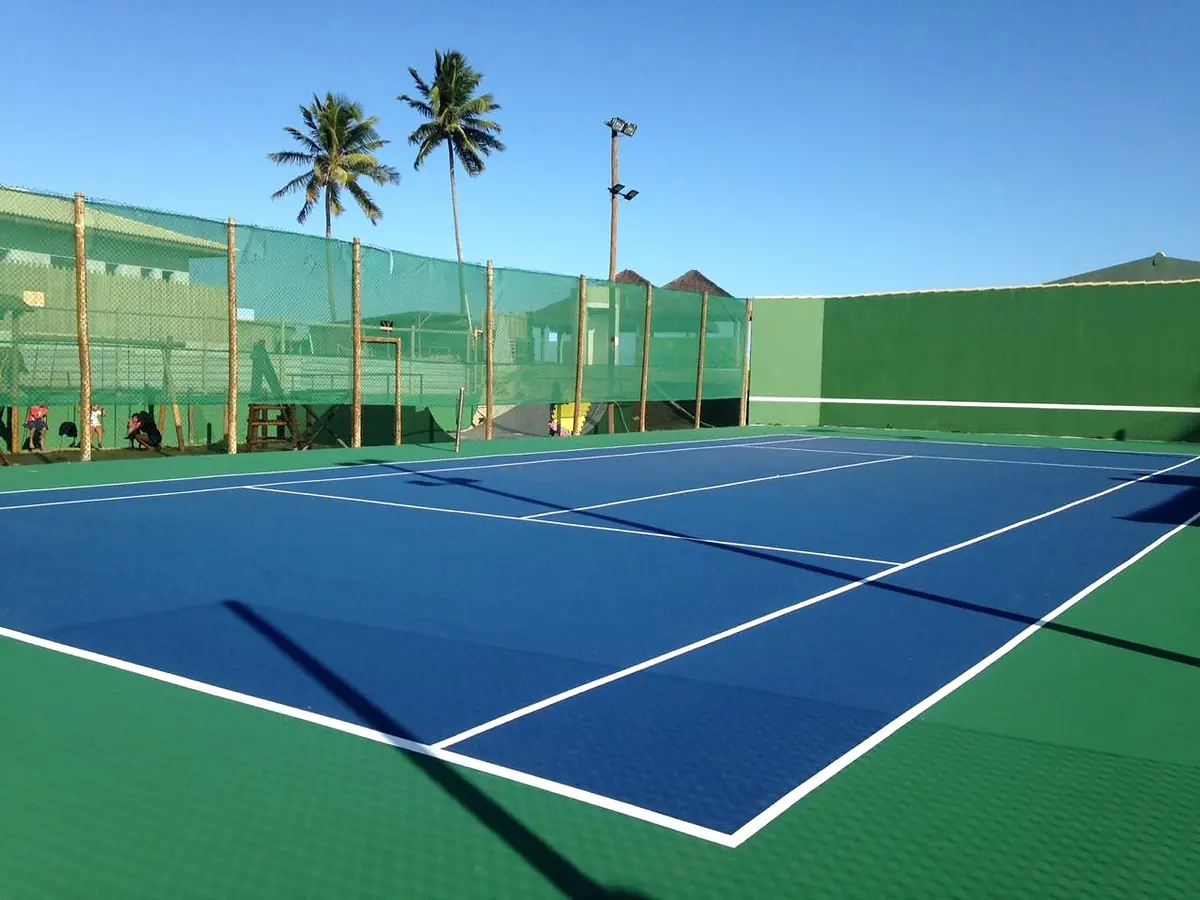
Scheduled inspection, cleaning and small repairs that keep a court playing between resurfacings.
Learn more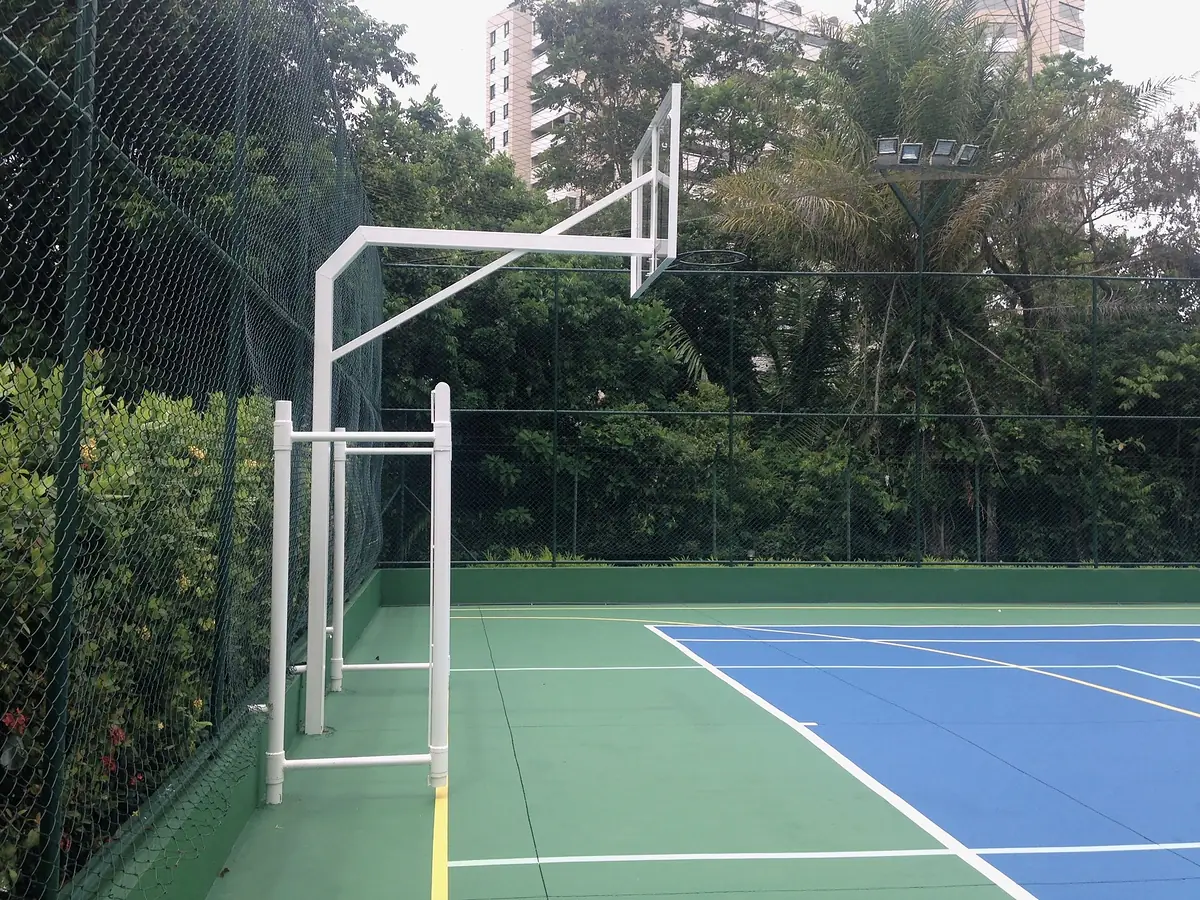 02
Fencing and court equipment
Fences, nets, posts, windscreens, backboards and goals, supplied, installed and repaired.
Coming soon to Florida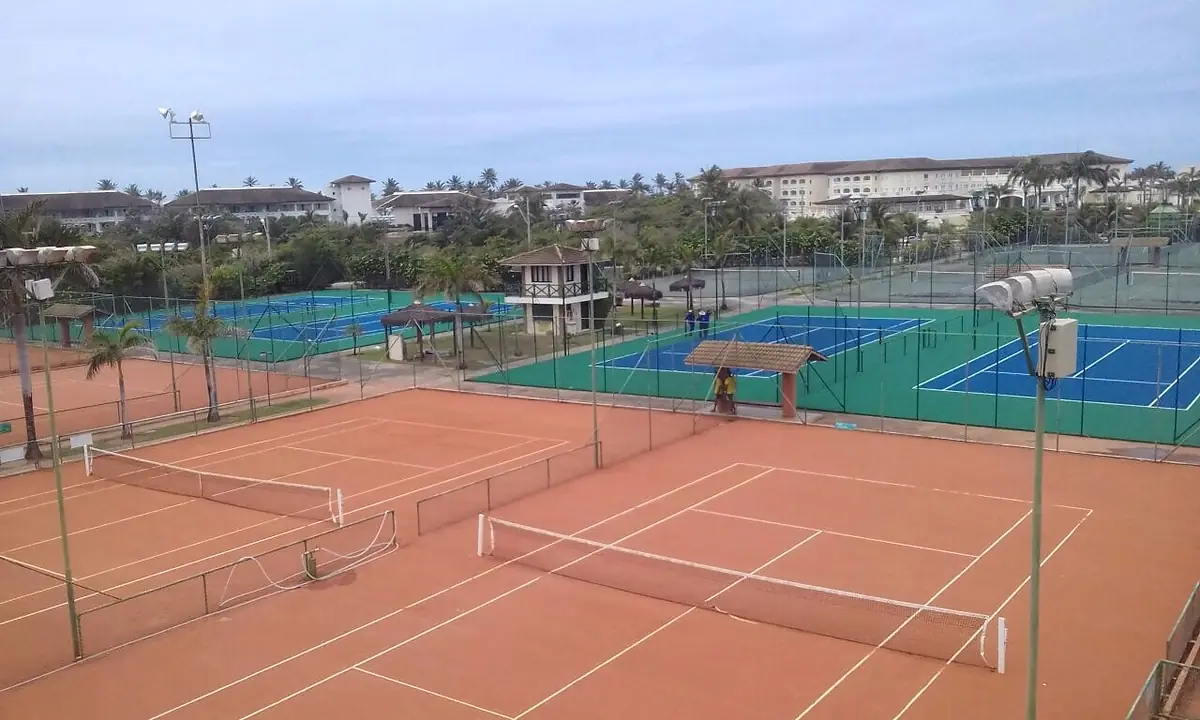 03
Tennis and country clubs
Clay and hard courts kept to tournament standard for members, with work scheduled between club seasons.
Learn more 04
Hotels and resorts
Courts kept guest-ready: phased work around occupancy, appearance standards and maintenance tied to the capital plan.
Learn more
Your court, back in play.
Tell us about the court and what is wrong with it. We assess it on site, free of charge, and send a written scope and estimate.