
Sports · Padel
Padel court care guide
A padel court is a turf surface inside a glass and steel enclosure, and both halves need care. This guide explains how the court is built, where it wears, what routine maintenance involves and what to ask a contractor before work is done. Arenas is confirming its padel offer; ask us and we will tell you what we can take on today.
- Court
- 20 × 10 m (about 65.6 × 32.8 ft)
- Surface
- Sand-filled artificial turf on a firm base
- Enclosure
- Glass back walls, steel frame and mesh
- Arenas offer
- Being confirmed, ask us
How a padel court is put together
The playing area is 20 × 10 m (about 65.6 × 32.8 ft), enclosed on all sides. The back walls are usually tempered glass panels, commonly 10 or 12 mm thick, topped by welded mesh. The side walls step down from glass near the back to mesh toward the net. A steel frame holds it all together, bolted to a concrete or asphalt slab.
The surface is a short-pile artificial turf laid on the slab and filled with rounded silica sand. The sand gives the turf its footing and its ball bounce. When the sand moves, the court changes: bare fibers grab shoes and spin the ball, while heavy piles of sand make players slide.
Where padel turf wears
Padel concentrates play near the back glass, where players defend and turn, and at the net. Sand migrates out of those zones toward the corners and the side walls. The fibers lie flat, the backing shows, and the turf starts to wear through in the same places. In Florida, UV makes the fibers brittle faster, and summer storms wash sand toward the low side of the court.
- Flattened, shiny fibers behind the service lines and at the net
- Bare backing visible where sand has migrated away
- Sand piled along the glass and in the corners
- Seams lifting or opening, often at the service lines
- Line inserts loose, curled or worn through
- Water standing on the turf after rain
Turf, sand and seams
Most turf problems start as sand problems. Regular brushing lifts the fibers and spreads the infill back over the court. Where the sand level has dropped, it is topped up with the same type and grading of sand, spread and brushed in, and the depth is checked at several points. Contaminated sand, full of dust, leaves and organic matter, holds water and grows algae; it can be cleaned or removed and replaced.
Lifting seams should be glued again on new seaming tape before they catch a foot. Worn or loose line inserts are cut out and replaced. When the turf itself is worn through in the play zones, it is replaced on the existing base, and a careful contractor checks first that the slab is sound, level and draining.
Glass, steel and salt air
The enclosure is part of the game, because the ball plays off the walls. A cracked or loose panel changes the bounce and is a safety problem. Each glass panel should be inspected for chips, cracks and edge damage, along with the clamps, rubber gaskets and bolts that hold it.
Near the Florida coast, salt air attacks the steel frame, the mesh and the fasteners. Rust starts at welds, at the base plates and where the coating was scratched. Anchors and base plates need regular checks, rust spots need treatment and recoating, and corroded bolts should be replaced before they lose their hold. Mesh panels that are bent or detached are refixed or replaced.
What to ask a padel contractor
Arenas has built and restored sports courts in Brazil since 2003, including turf fields and multi-sport courts. We have not built padel courts. Whoever you hire, a written scope should let you check every task and material before work starts.
- Which turf and sand specification they will match, and how they will confirm it on your court.
- How they measure sand depth, and at how many points.
- Whether the slab is checked for level, cracks and drainage before any turf is replaced.
- Who inspects the glass, clamps and steel frame, and what they do if a panel is damaged.
- Which padel courts they have worked on, and who you can call about them.
Routine care for a padel court
Inspect
Check turf wear, sand depth at several points, seams, lines, drainage, glass, steel and anchors.
Clean
Remove debris and organic matter; clean or replace contaminated sand.
Repair
Glue lifting seams, replace worn line inserts, refix mesh and treat rust spots.
Infill
Top up with matching rounded silica sand and brush it in evenly.
Replace if worn
Lay new turf on the existing base only after the slab is checked for level and drainage.
Check play
Walk the court, test footing and bounce, and set the net height.
Specifications
Padel court figures
- Court
- 20 × 10 m (about 65.6 × 32.8 ft)
- Net height
- 88 cm at center (about 34.6 in), up to 92 cm at the posts
- Back walls
- Commonly 3 m of glass topped by mesh to 4 m
- Glass
- Tempered, commonly 10 or 12 mm
- Surface
- Short-pile artificial turf with rounded silica sand infill
- Brushing
- Commonly weekly on busy courts
- Sand top-up
- As depth checks show loss, more often after storms
Typical figures for standard courts. Turf and sand specification follow the existing system.
Questions
How long is a padel court closed for maintenance?
A brushing and sand top-up usually takes part of a day. Seam and line repairs need glue cure time, commonly a day or two. Turf replacement on the existing base takes longer and depends on the weather.
How often should the turf be brushed?
Busy courts commonly need it weekly, and after every storm. Sand depth should be checked at least monthly, because it moves faster than it looks.
What does it cost to neglect the infill?
Without enough sand, the fibers take the wear directly and the turf wears through years early. Replacing the turf costs far more than keeping the infill topped up.
Can one court be serviced while the others stay open?
Yes. Maintenance is usually done court by court, with sand and equipment kept outside the courts in play.
Have you built padel courts?
No. Our completed work is in Brazil, in tennis, multi-sport and turf. Arenas is confirming its padel offer; ask us and we will tell you what we can take on today.
Related
 01
Turf fields
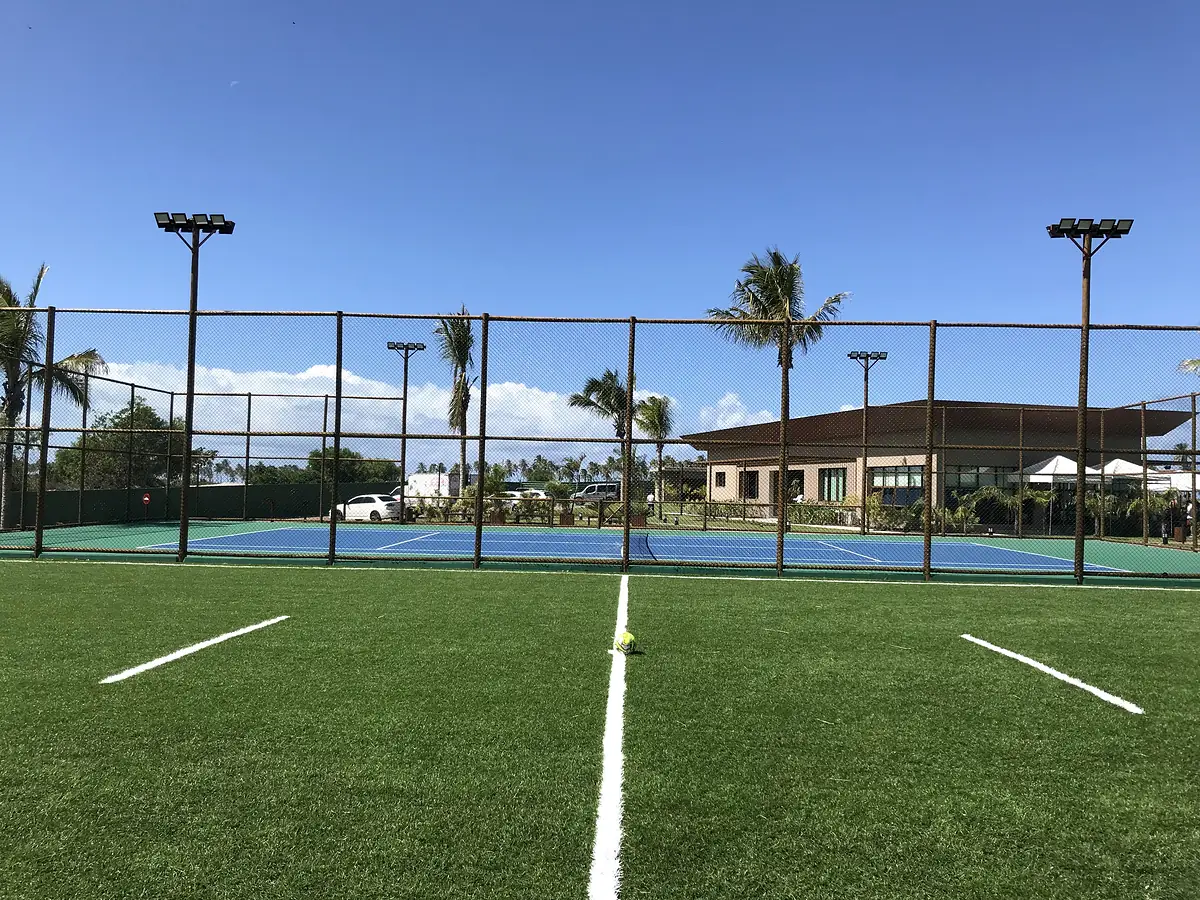
Soccer and multi-sport fields in synthetic or natural turf: the care each asks for and how it is restored.
Learn more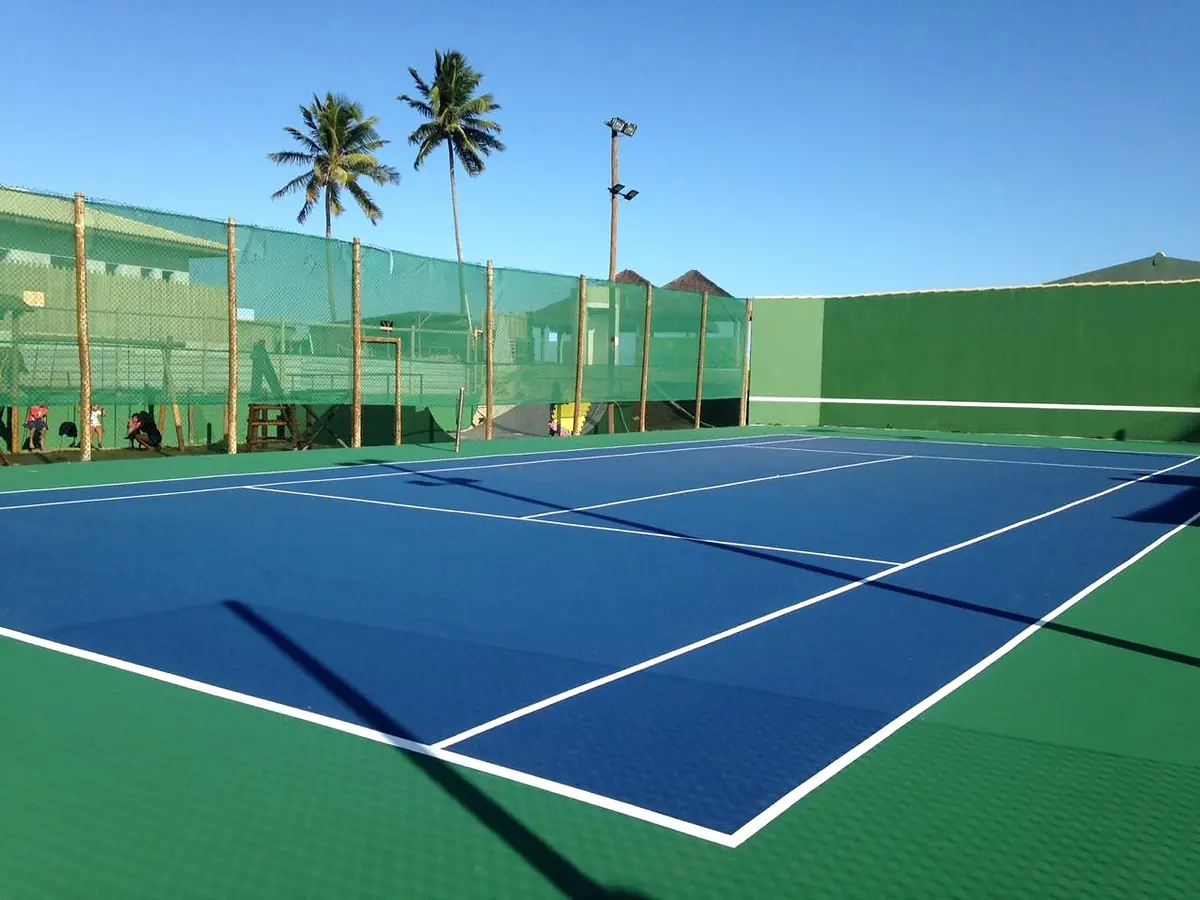 02
Maintenance plans
Scheduled inspection, cleaning and small repairs that keep a court playing between resurfacings.
Learn more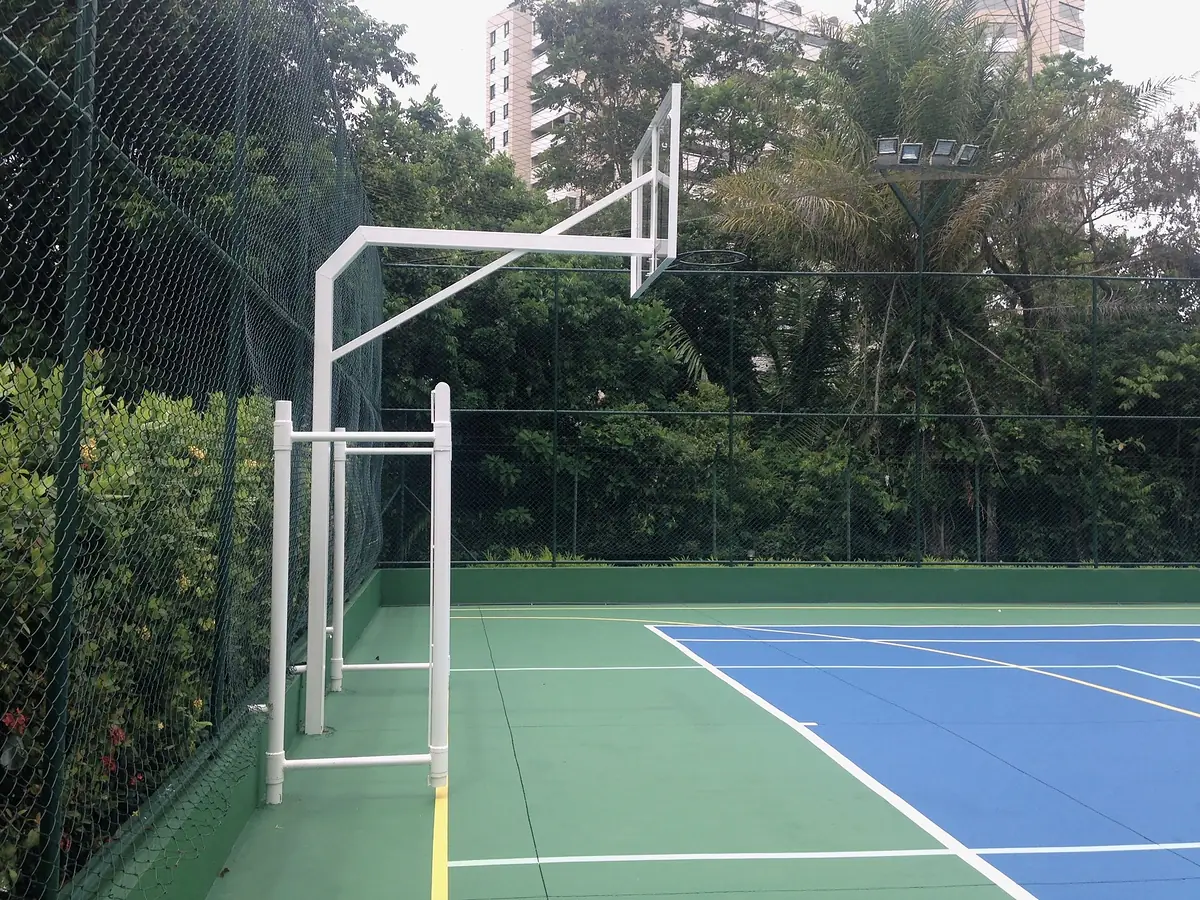 03
Fencing and court equipment
Fences, nets, posts, windscreens, backboards and goals, supplied, installed and repaired.
Coming soon to Florida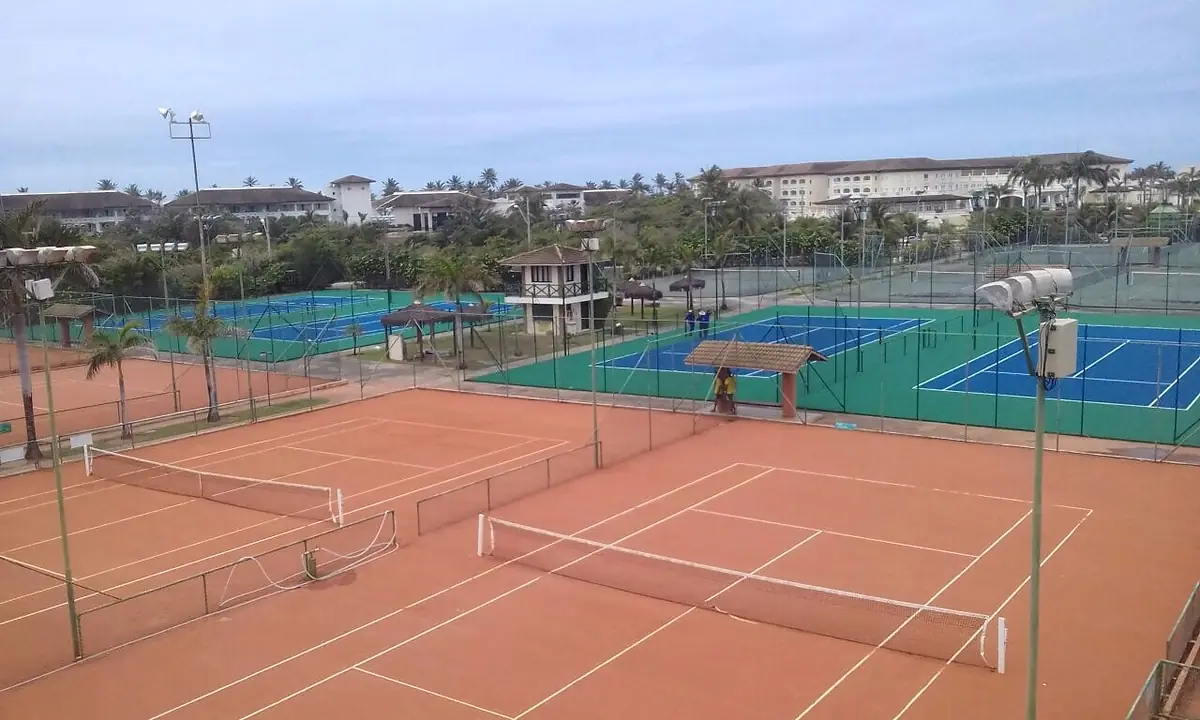 04
Tennis and country clubs
Clay and hard courts kept to tournament standard for members, with work scheduled between club seasons.
Learn more
Your court, back in play.
Tell us about the court and what is wrong with it. We assess it on site, free of charge, and send a written scope and estimate.