
Free court assessment
The free court assessment, step by step
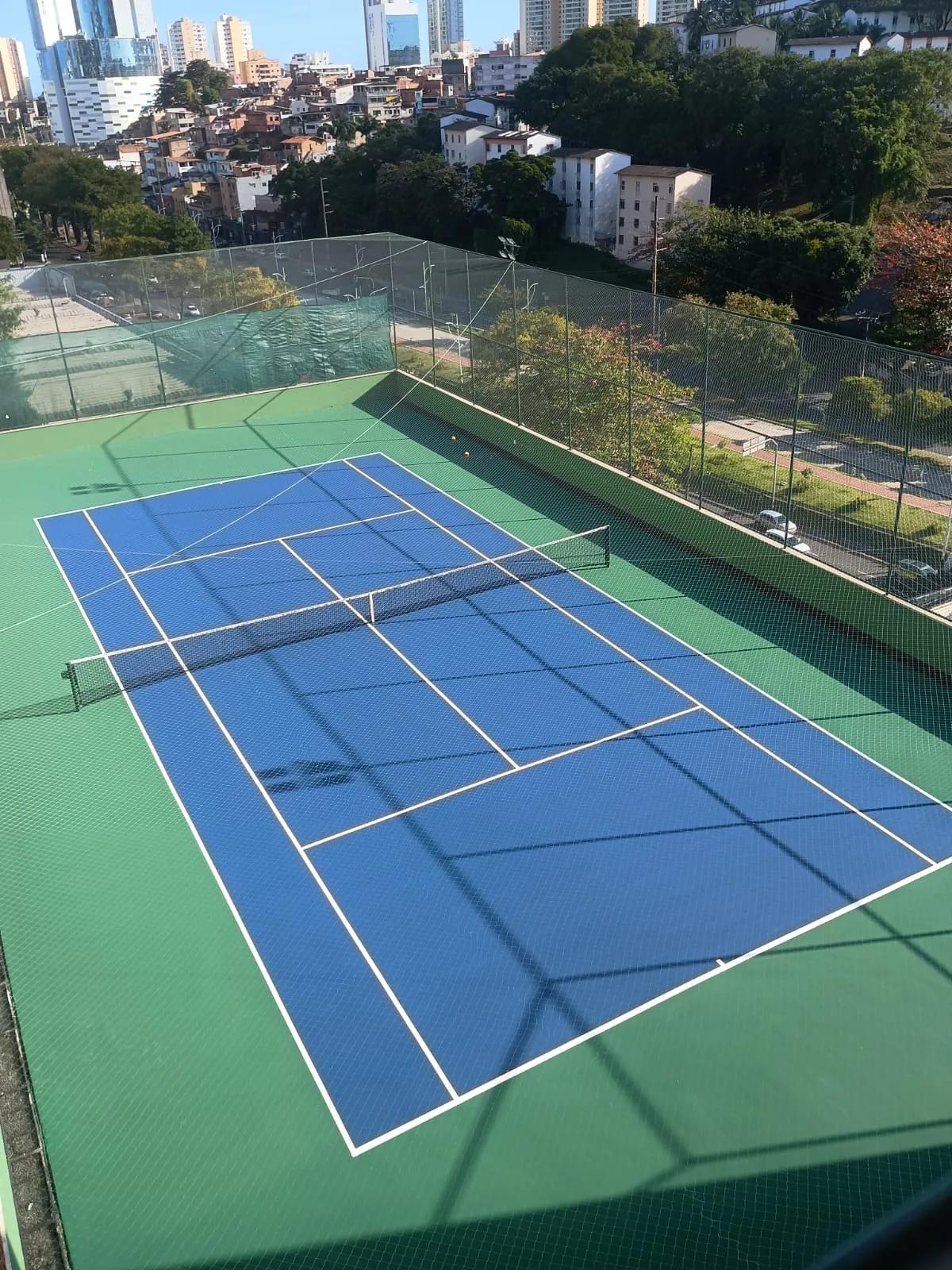
Before anything is priced, we inspect the court on site. The visit is free and carries no obligation. It ends in written condition notes with photos and an itemized scope and estimate your board or owner can compare with other bids line by line.
- Cost
- Free, no obligation
- Where
- On site, in Florida
- Time on site
- Depends on courts and findings
- Written scope
- Date agreed at the visit
What the visit is, and who should be there
An assessment is a measured walk of the court with the person who will carry the decision. We look at the surface, the base under it, the water on and around it, and the equipment on it. Nothing is sold on the day. The purpose is to understand the court well enough to write a scope that does not change once work starts.
The visit works best when someone who knows the court's history attends: the property manager, a board member, or the facilities lead for a club or school. They can tell us when the court was last resurfaced, where water sits after a storm and which complaints residents or members raise. Fifteen minutes of that history often explains a defect that the surface alone does not.
What we check
We record each defect by type, location and size, with a photo, so every line in the estimate traces back to something you can see.
Ponding is tested, not guessed. Where we can, we flood the low areas or visit after rain. A common rule of thumb in the industry is that water still deep enough to cover a nickel (about 1/16 in, 1.6 mm) after the court has drained for about an hour is a birdbath worth correcting. We mark each one and measure its area in square feet.
Slope matters because it decides where water goes. A hard court is commonly built to a single plane at about 1 inch of fall per 10 ft (about 1%). Where the surface has settled or heaved away from that plane, patching alone will not hold, and we say so.
We do not assess lighting. Our Florida offer is restoration and maintenance of the court surface and its equipment.
- Surface and coating condition: fading, wear in the service and baseline areas, peeling, blistering, mildew and algae.
- Cracks by type and length: hairline surface cracks, structural cracks, and cracks along construction joints, measured in linear feet with width noted.
- Ponding, measured by a flood test or a post-rain survey.
- Base movement: settlement, heave, soft spots and raised crack edges.
- Slope and plane, checked with a straightedge and level.
- Nets, posts, fence and windscreens: post plumb and footing condition, net height, fence fabric, gates and windscreen ties.
- Drainage around the court: grading at the edges, downspouts, irrigation spray and landscaping that sends water onto the surface.
What you receive
After the visit we send a written package, ready to forward to a board or an owner. It is built so another contractor's bid can sit beside it and the differences show line by line.
Where the right repair depends on something we cannot see until the old coating is off, such as the extent of a delaminated area, the scope says so in writing and states how that item will be priced if it grows.
- Condition notes with photos of each problem area.
- An itemized scope and estimate with quantities and units: linear feet of crack repair, square feet of ponding correction, number of acrylic coats, line layout.
- Options separated from the base scope, such as pickleball lines or a windscreen replacement.
- Assumptions and exclusions written out, including access, water and power on site.
What to have ready
A little preparation makes the visit shorter and the scope more accurate. If something on the list is not available, the assessment still goes ahead; we note what we could not confirm.
- Access to the court and gates, and to a water connection if we flood test.
- Dates of prior resurfacing or repairs, and the contractor's paperwork if you have it.
- Known problem areas: where water sits, where cracks have returned, where players trip or slip.
- Your HOA or property rules for contractors: work hours, parking, staging, insurance certificates.
How the assessment runs
Request
Send the court location, the number of courts and the problem through the estimate form or by email.
Schedule
We agree a date with the manager or facilities lead, and a time after rain if ponding is the concern.
On-site visit
Measure, photograph, test for ponding and talk through the history. Time on site depends on the number of courts and what we find.
Written scope and estimate
Condition notes, itemized quantities, options and exclusions, sent on the date we agree at the visit.
Questions and decision
We answer questions from the board or owner, in writing or at a meeting. There is no obligation to proceed.
Questions
Is the assessment really free?
Yes. The on-site visit and the written scope and estimate cost nothing, and there is no obligation to hire us.
Do we need to be there?
We recommend it. A manager, board member or facilities lead who knows the court's history makes the scope more accurate. If no one can attend, we need gate access and we send photos with the notes.
Can you check our lights during the visit?
No. We do not assess or work on lighting. The assessment covers the surface, the base, drainage around the court and the court equipment.
How soon will we have the written scope?
We agree the date at the visit. It depends on the number of courts and what we find, and we tell you before we leave the site.
Are you licensed in Florida?
Our Florida contractor license is pending. Ask us for the current status before you sign.
Related
 01
Contact
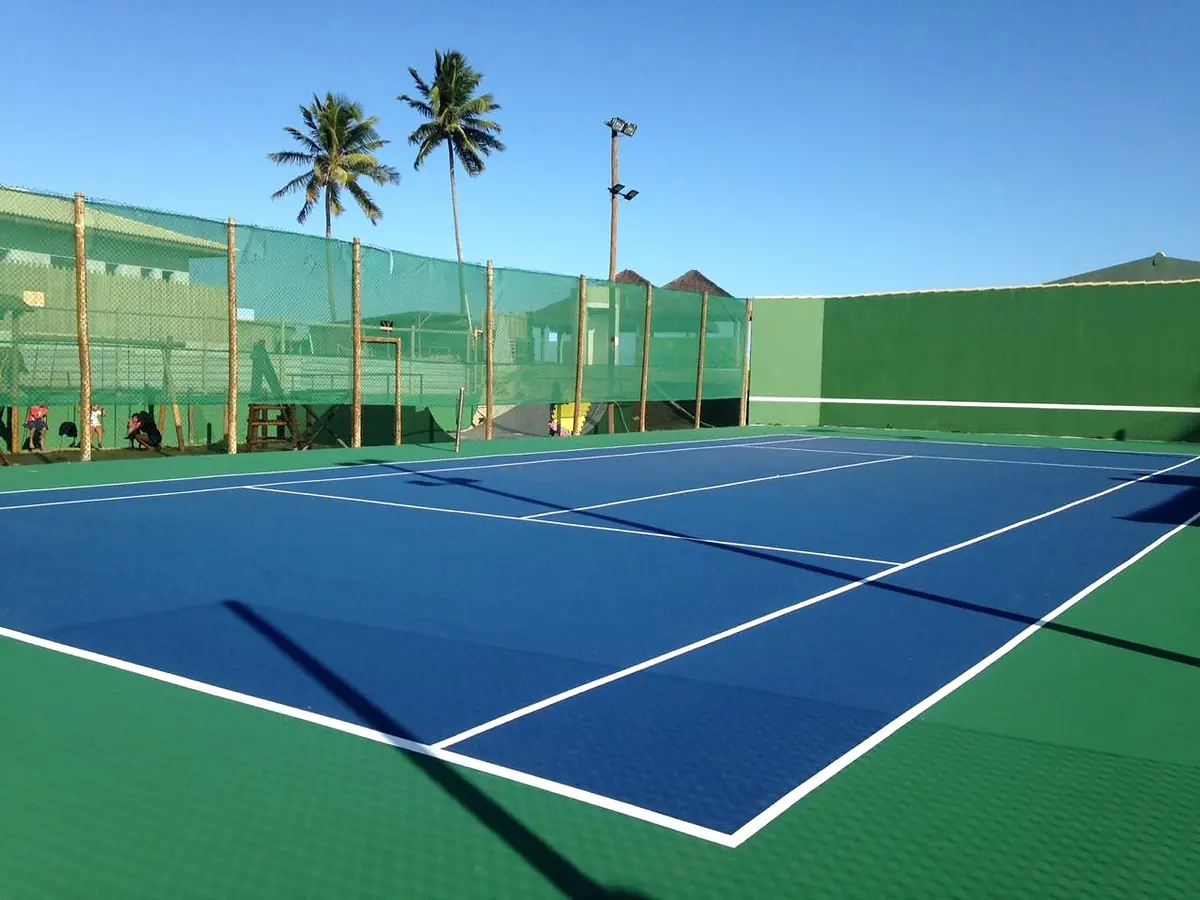
Request a free court assessment or call and email us directly in Florida and Brazil.
Learn more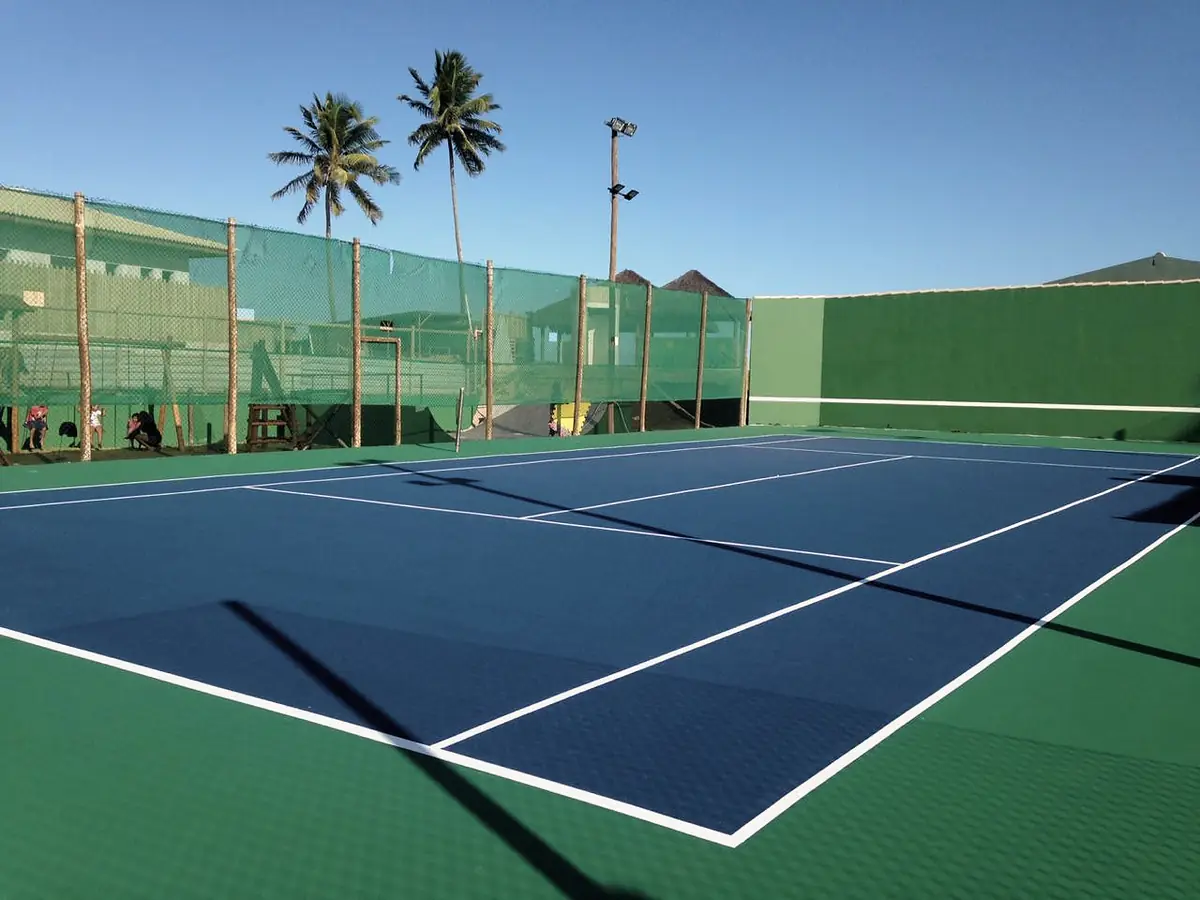 02
Court resurfacing
Clean, repair, recoat and reline a worn hard court so it plays true and drains again.
Learn more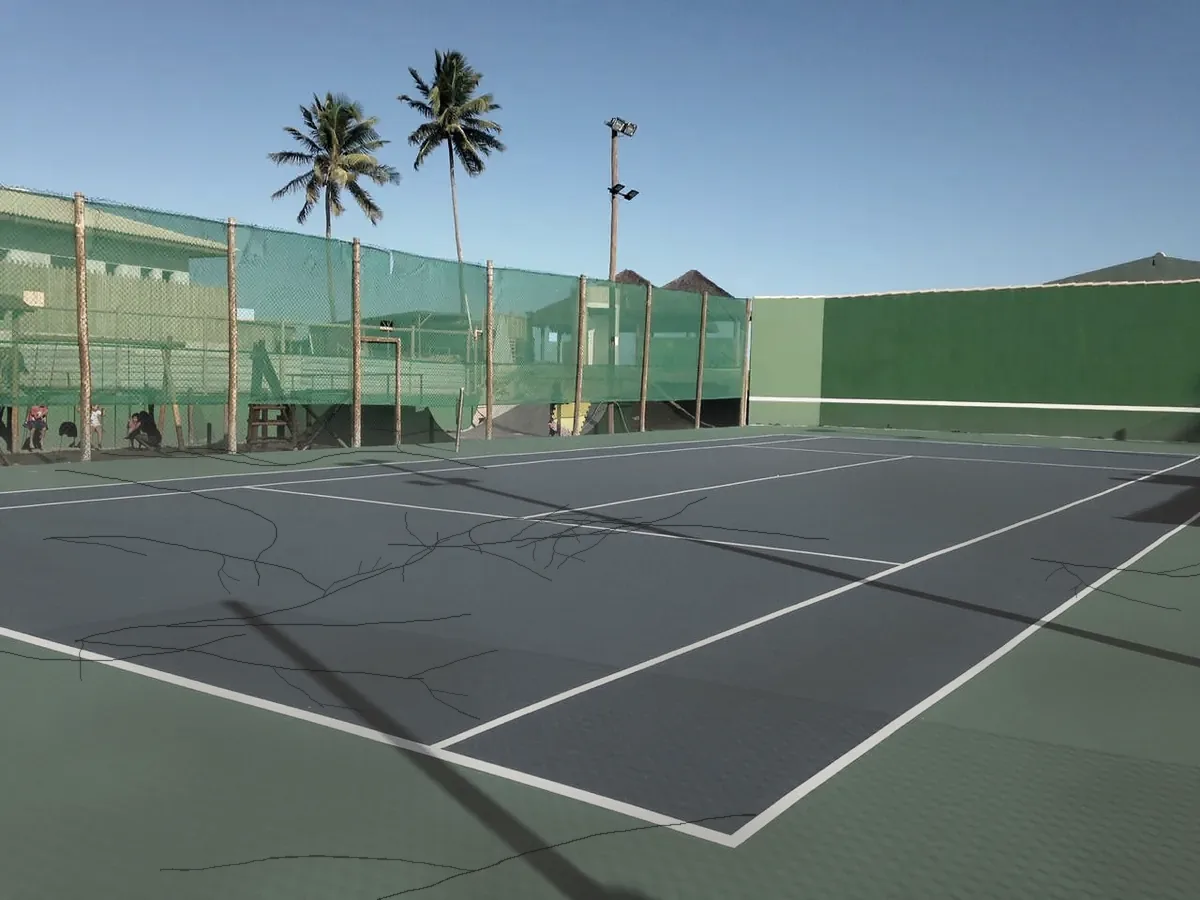 03
Crack and ponding repair
Fill and bridge cracks, level low spots that hold water, then recoat the repaired areas.
Learn more 04
Communities and HOAs
Written scopes a board can compare, work scheduled around residents, and maintenance plans that fit a reserve study.
Learn more
Your court, back in play.
Tell us about the court and what is wrong with it. We assess it on site, free of charge, and send a written scope and estimate.