
Surface · Indoor
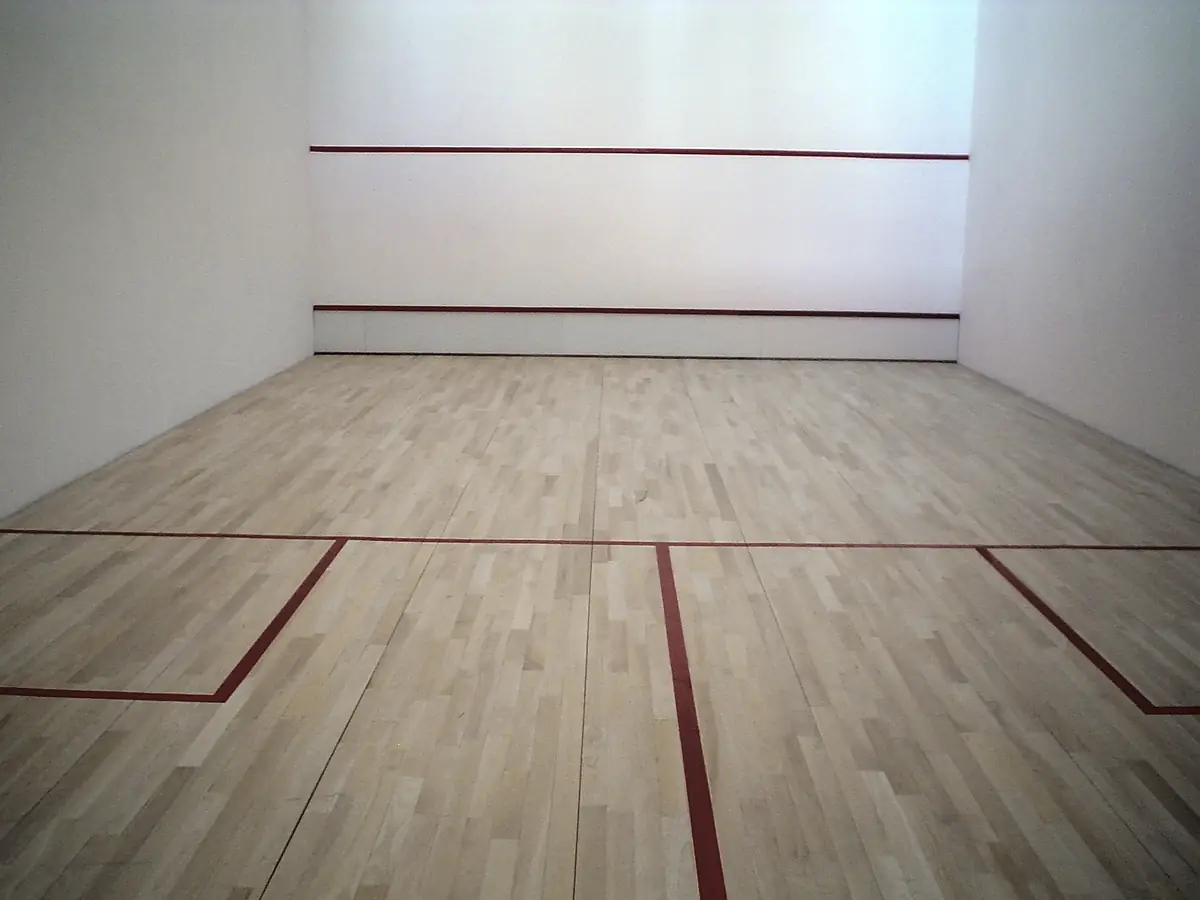
Hardwood sports floor
Sanding, refinishing and line marking for indoor courts. Squash, gymnasium and indoor multi-sport, on floating hardwood floors.
- Work
- Sanding, refinishing, line marking
- Finishes
- Polyurethane or epoxy
- Applications
- Squash, gymnasium, indoor multi-sport
- Setting
- Indoor court
How a hardwood sports floor works
A sports floor is a floating hardwood system: boards over a sub-floor that flexes slightly under load, so players land on a surface with some give. The finish on top protects the wood, sets the grip and carries the lines.
Wood moves with moisture. Indoors in Florida, air conditioning keeps it stable, but a roof leak, a wet mop or a long shutdown with the air off can cup or lift boards. Part of every assessment is checking moisture before any sanding starts.
What wears, and how we restore it
The finish wears where play concentrates and the lines fade. Grip drops, the wood darkens where the finish has worn through, and the floor looks uneven under the lights. We sand the boards back, apply new finish coats and repaint the lines, so the floor plays evenly again.
When the finish is worn but the wood is still sealed, a lighter screen-and-recoat restores it without a full sanding. Catching it at that stage keeps more wood in the boards for future sandings.
Damaged boards, from water or impact, are cut out and replaced before sanding, so the new wood is leveled with the rest of the floor in one pass.
Finishes
We apply polyurethane or epoxy finishes, chosen for the use. The finish must be hard enough to resist wear and grip enough to stop a player who changes direction. Every coat cures before the next, and the floor stays closed until the last coat is ready for play.
Squash
Regulation lines repainted after the floor is refinished. Squash floors take a lot of turning and sliding in a small area, so the finish has to hold grip without being sticky.
Gymnasium
Multiple markings for basketball, volleyball and futsal on one court, each in its own color so players can read their lines. At UNIJORGE university in Salvador, Brazil, we installed a glass basketball backboard on an indoor court.
How we refinish a floor
Inspect
Check boards, sub-floor movement, moisture and the depth of wear.
Sand
Sand back to bare wood, or screen the finish if a recoat is enough.
Seal
Seal the wood so the finish bonds evenly.
Lines
Lay out and paint game lines for each sport, in separate colors.
Finish coats
Polyurethane or epoxy coats over the lines, cured before play.
Specifications
Hardwood floor specification
- System
- Floating hardwood floor with sealer and finish coats
- Base
- Sub-floor over a level slab
- Pace
- True bounce; grip set by the finish
- Care
- Dust and damp-clean; periodic screen-and-recoat; sand when worn through
- Sports
- Squash, basketball, volleyball, futsal
- Finish
- Polyurethane or epoxy
Gallery
Questions
How often should a gym floor be refinished?
It depends on use. A screen-and-recoat before the finish wears through keeps the floor protected. A full sanding is needed when the wood itself is exposed or damaged.
Can you change the lines on our gym floor?
Yes. Lines are repainted during refinishing, so it is the moment to add or change markings for basketball, volleyball or futsal.
How long does the floor stay closed?
A few days to more than a week, depending on sanding, number of coats and curing time. The written scope gives the schedule.
Do you work on squash courts?
Yes. We sand and refinish squash floors and repaint the regulation lines.
How do we keep the floor in good shape between refinishes?
Dust-mop daily, damp-clean with a cleaner suited to the finish, use mats at the entrances and keep street shoes off the court. Avoid wet mopping, which lets water into the joints.
Related
 01
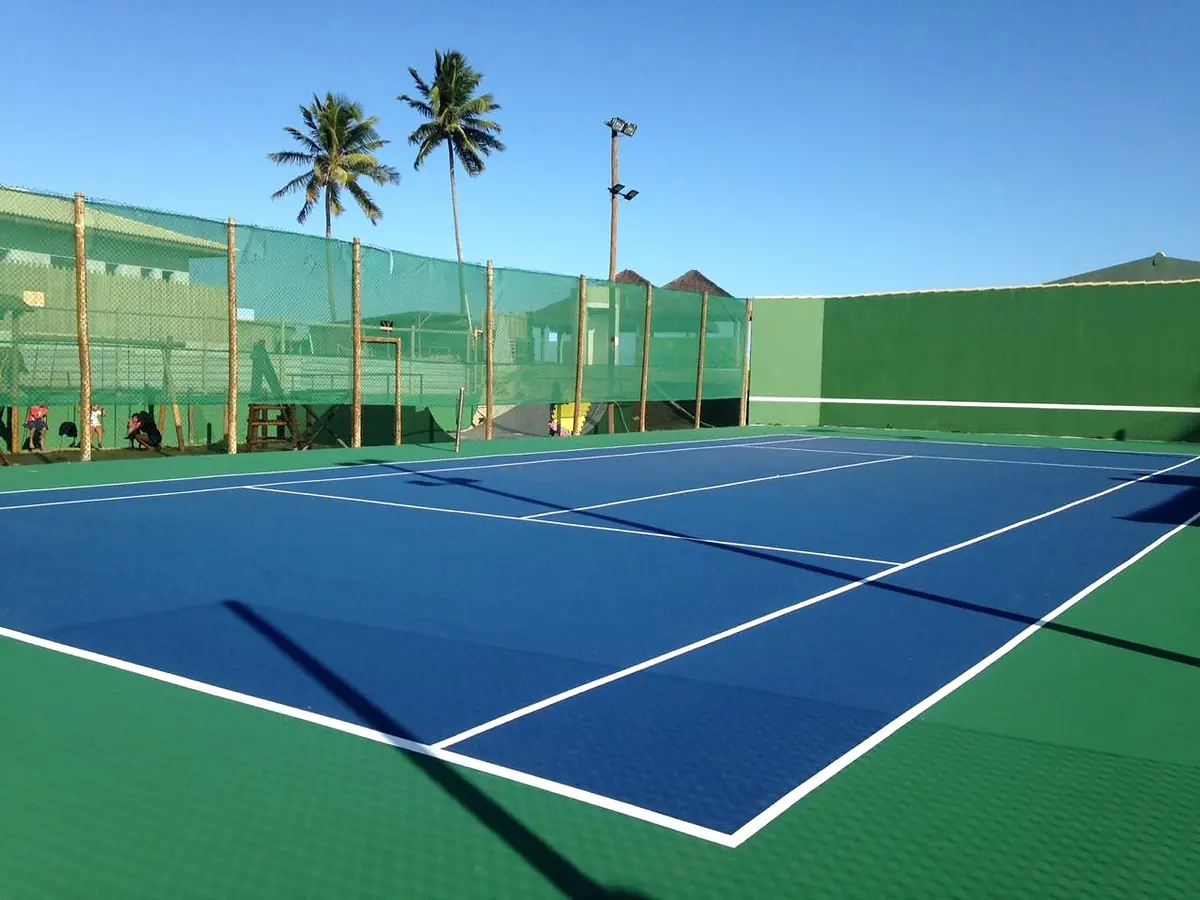
Maintenance plans
Scheduled inspection, cleaning and small repairs that keep a court playing between resurfacings.
Learn more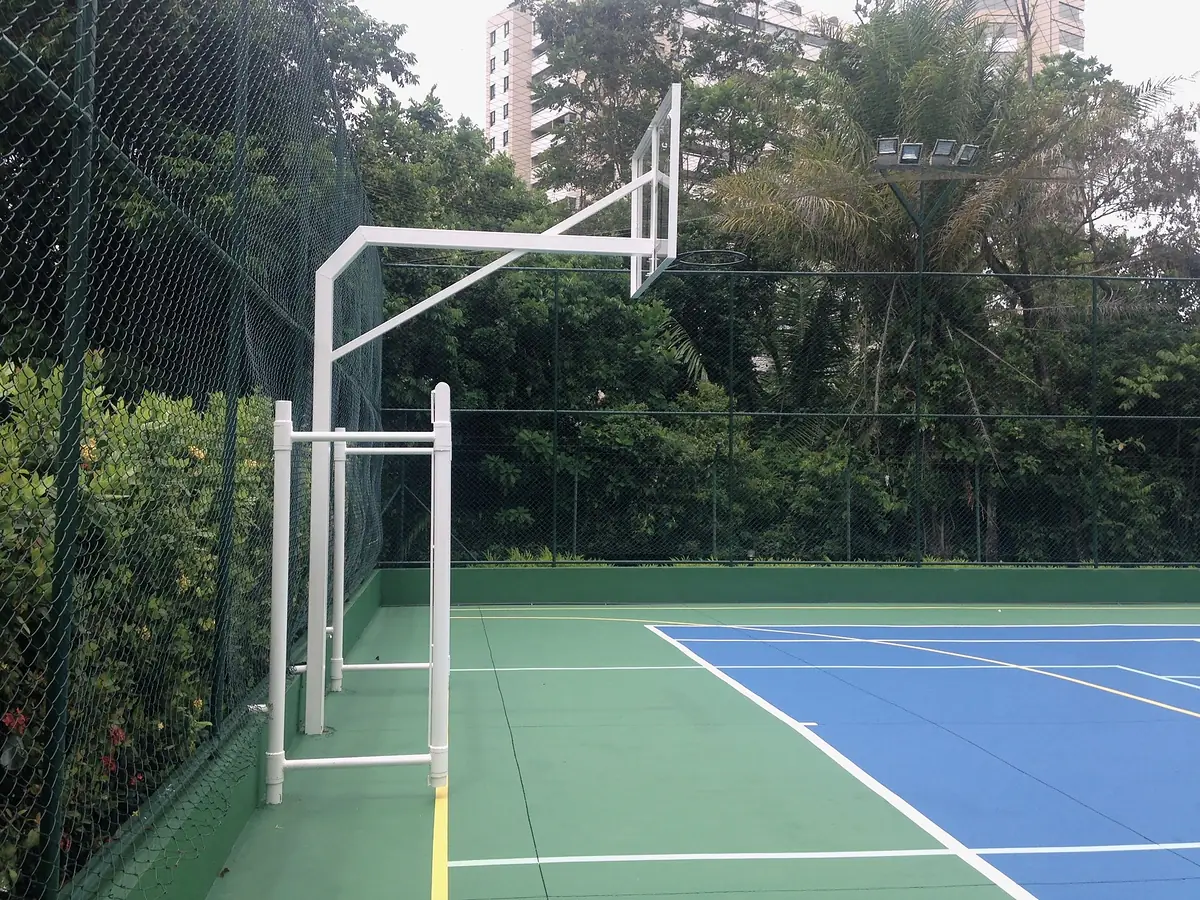 02
Fencing and court equipment
Fences, nets, posts, windscreens, backboards and goals, supplied, installed and repaired.
Coming soon to Florida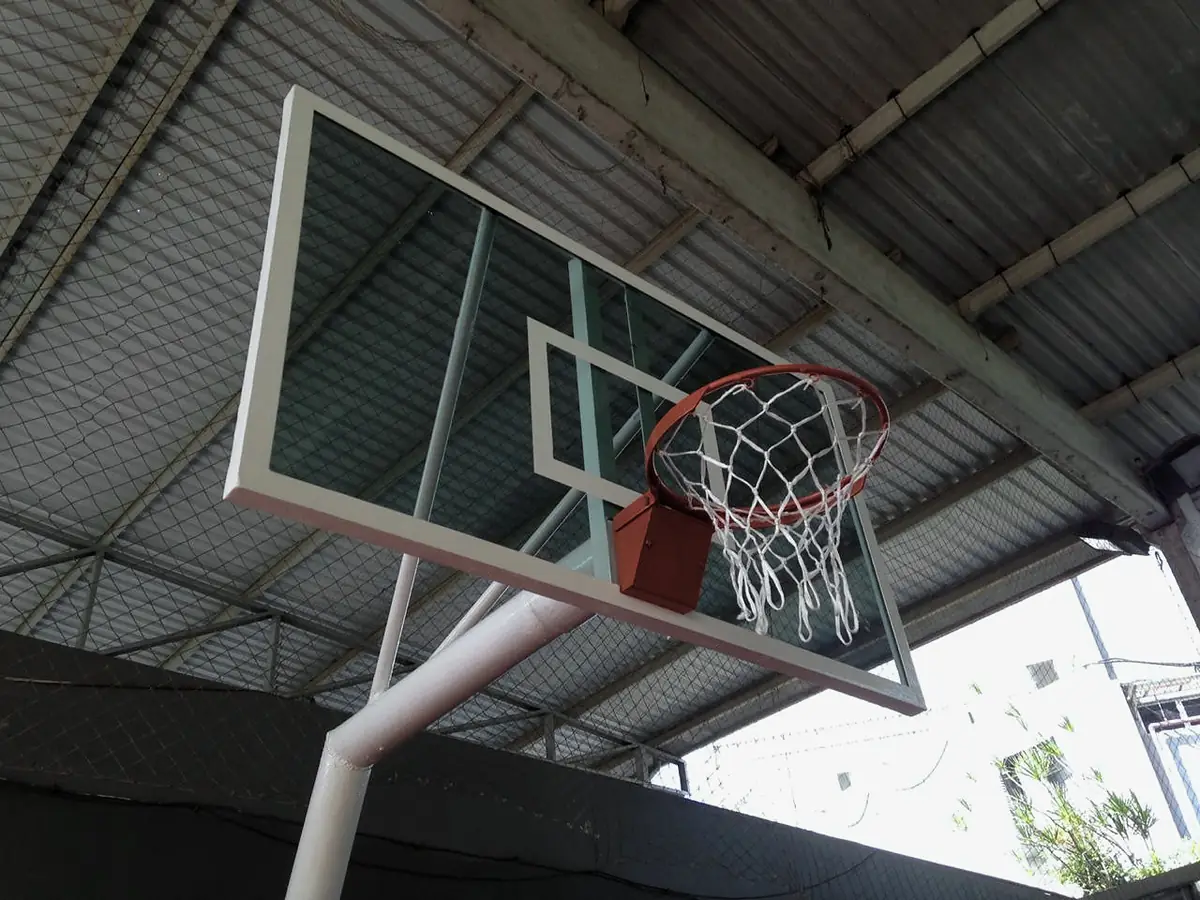 03
UNIJORGE university
Glass basketball backboard installed on the university’s covered court in Salvador.
Learn more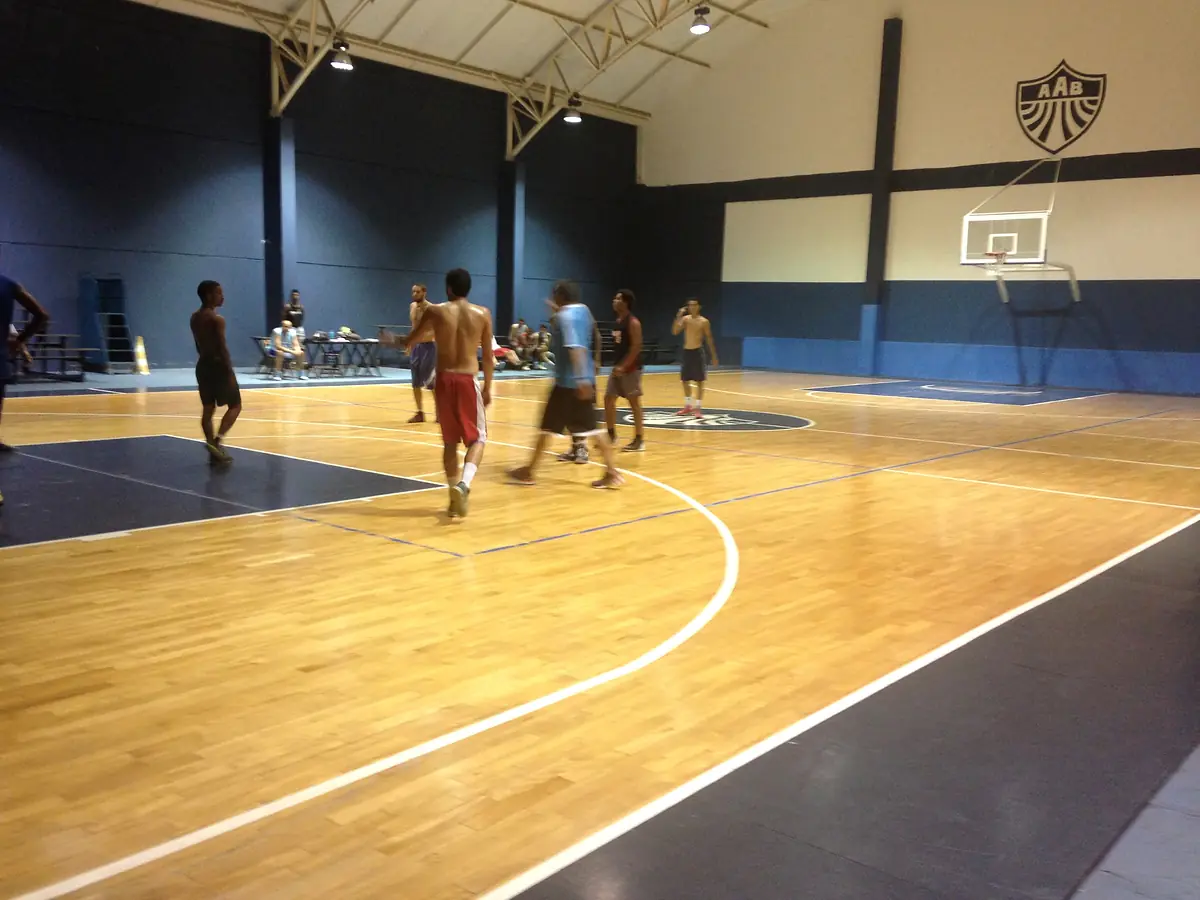 04
Schools and universities
Courts, gym hardwood floors and equipment, done during breaks with clear safety zones.
Learn more
Your court, back in play.
Tell us about the court and what is wrong with it. We assess it on site, free of charge, and send a written scope and estimate.